
Saint Augustine.
St. Augustine isn’t just another Florida city to me. I’ve been visiting since childhood field trips, but it’s my more recent trips that have made me truly fall for it. Living about an hour away, I’ve explored it in every season from historic landmarks and waterfront views to food tours, holiday lights, and easy day trips to nearby beaches and springs. Everything here is built on firsthand experience, and I’m always adding more.

Things to Do & Experiences in St. Augustine.
Top Things to Do

Sarah’s Picks
Favorite Restaurant | Ice Plant Bar
Favorite Tour | Private History Tour
Favorite Time of Year to Visit | Christmas & the cooler months
Favorite Free Activity | Fort Matanzas or a stroll around the gardens of Mission Nombre de Dios
Favorite Coffee | The Kookaburra
Favorite Day Trip | Silver Springs State Park
St. Augustine Travel FAQs

What is St. Augustine known for?
St. Augustine is known as the oldest continuously inhabited European-established city in the United States. It’s famous for its historic streets, Spanish colonial architecture, the Castillo de San Marcos, beautiful waterfront views, and Nights of Lights Christmas celebration.
Is St. Augustine worth visiting?
Yes, especially if you enjoy history, walkable cities, beaches, food tours, and charming coastal towns. St. Augustine works well for everything from a quick weekend getaway to a longer Florida road trip stop.
How many days do you need in St. Augustine?
Most visitors should plan for 2–3 days to see the main attractions, enjoy the beaches, and fit in a tour or day trip. However, you can still experience many highlights in just one day.
What is the best time of year to visit St. Augustine?
The cooler months from October to March are usually the best times to visit. Winter is especially popular because of the Nights of Lights festival.
Is St. Augustine walkable?
Yes. The historic district is very walkable, and many of the top attractions, restaurants, and shops are close together. You’ll likely only need a car if you plan to visit the beach, nearby parks, or take day trips outside the city.
Does St. Augustine have beaches?
Yes. St. Augustine Beach is the most popular nearby beach, but there are several beach access points along Anastasia Island and the surrounding coastline.
Can you visit St. Augustine on a budget?
Yes. Some free activities include walking through the historic district, relaxing at the beach, visiting Mission Nombre de Dios, and taking the free ferry to Fort Matanzas National Monument.
Getting to St. Augustine
By air: St. Augustine has a small regional airport, but most visitors fly into Jacksonville International Airport, which is about an hour away. Daytona Beach has a smaller regional airport about an hour south and is worth considering if you find better fares. Lastly, you can also consider flying into Orlando if you’re planning a larger Florida road trip.
From the airport: You can rent a car, use rideshares like Uber or Lyft, or book a shuttle service to St. Augustine. I usually recommend renting a car, especially if you plan to explore the beaches, nearby parks, or take day trips outside the historic district.
Getting Around St. Augustine
The most common ways to get around St. Augustine are walking (Old Town), driving, rideshares, trolley tours, or booking guided tours.
The historic district is very walkable, and you can easily explore many of the main attractions, restaurants, and shops on foot.
I still recommend having a car for at least part of your trip, especially if you want to visit the beaches, Fort Matanzas National Monument, or nearby day trip destinations. Since I live close by, I’ve always driven to St. Augustine and found it easy to navigate outside the busiest downtown areas.
Parking can be limited in busy seasons, so once you find a spot, it’s often easiest to leave the car and explore the area by walking. The parking garage is a good option, but most expensive. The street parking can be more difficult to find but is usually the cheapest.
Trolley tours are a popular way to get around while learning more about the city’s history. They can also save you from dealing with parking throughout the day.
Guided tours are another great option if you want to explore without worrying about transportation or planning logistics yourself.

Where to Stay in St. Augustine
St. Augustine has a range of places to stay depending on the kind of trip you’re planning, from walkable historic inns to beachside hotels and quieter areas just outside the center.
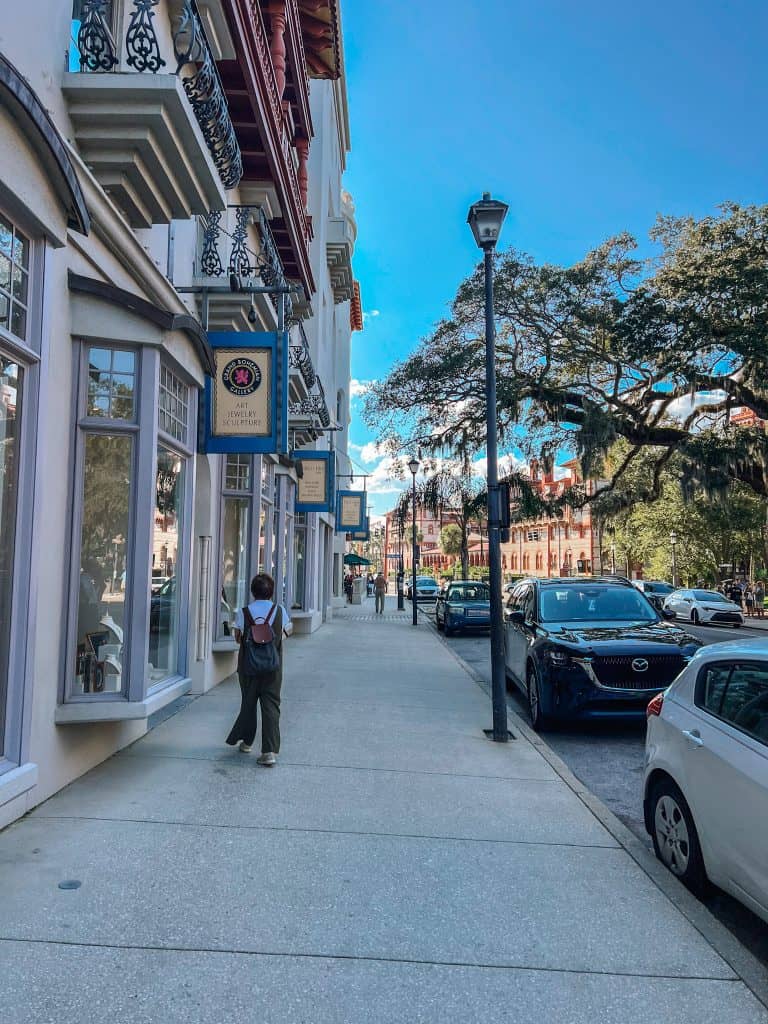
Historic District The historic district is the most popular place to stay if you want to be close to the main attractions, restaurants, and tours. You can easily walk to spots like the waterfront, museums, and historic streets without needing your car once you arrive.

Read my full review of the Hilton Garden Inn St. Augustine. Or if you are wondering the best spots in or near the Historic District, check out where to stay in St. Augustine at Christmas.
Vilano Beach is a quieter option with a more laid-back feel. It’s still close enough to downtown for easy day trips into the city, but feels more residential and low-key.
Anastasia Island Staying across the bridge on Anastasia Island puts you closer to the beach while still being a short drive from downtown. This area is great if you want a more relaxed stay with easy access to the ocean, especially around St. Augustine Beach.

Outside the Historic Core If you’re looking for more space or lower prices, staying slightly outside the main tourist areas can be a good option. You’ll typically find more modern hotels, easier parking, and quieter surroundings, but you’ll rely more on driving to reach the main attractions.
Top Things to Do in St. Augustine
The best things to do in St. Augustine range from wandering centuries-old streets to spending slow beach days, climbing historic landmarks, and taking easy day trips into natural Florida. What I love about this city is how much variety you can fit into a short visit, whether you’re here for a quick stop or a full weekend.
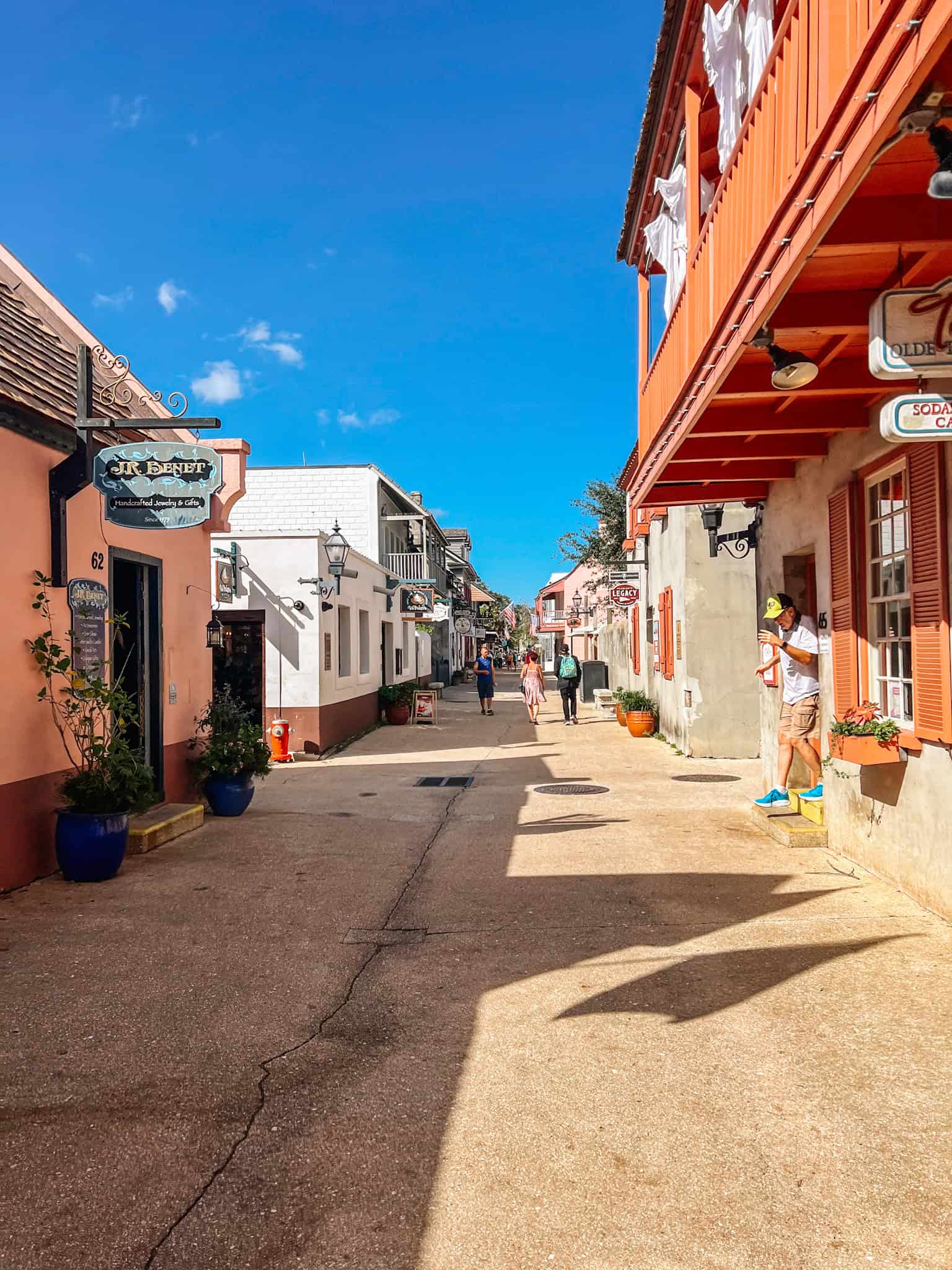
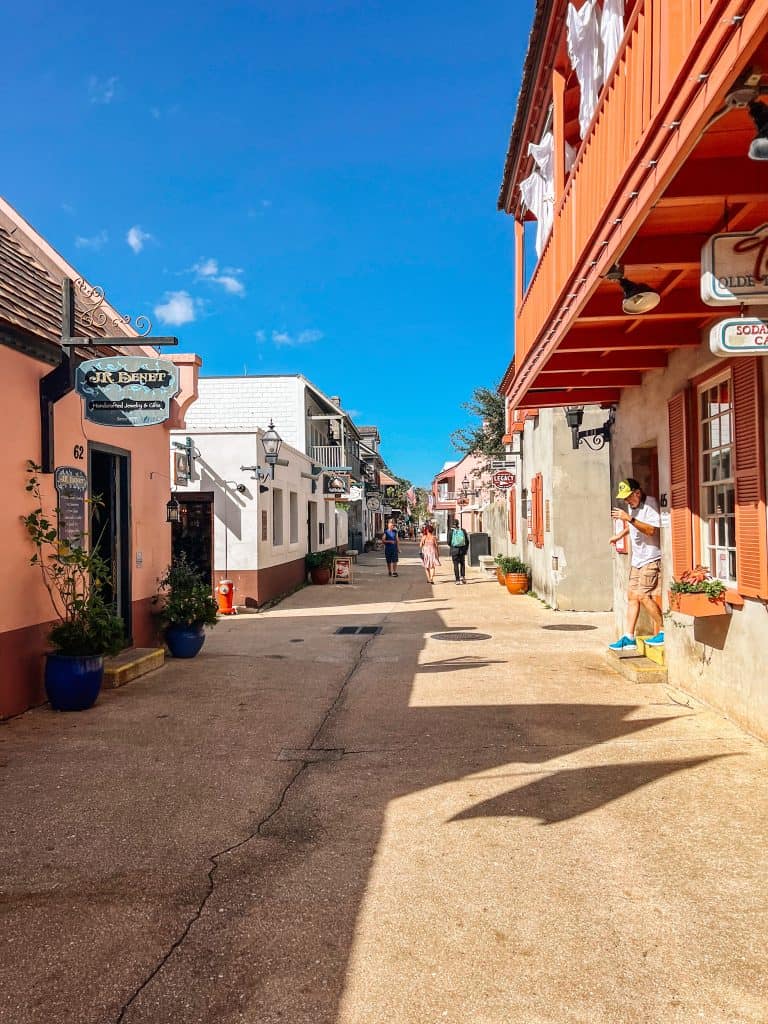
Walk through Old Town – One of the best ways to experience St. Augustine is simply on foot. The historic district is packed with cobblestone streets, small shops, hidden courtyards, and centuries of history layered into every block. If you’re planning a short visit, I break down the highlights in my guide on 1 Day in St. Augustine.
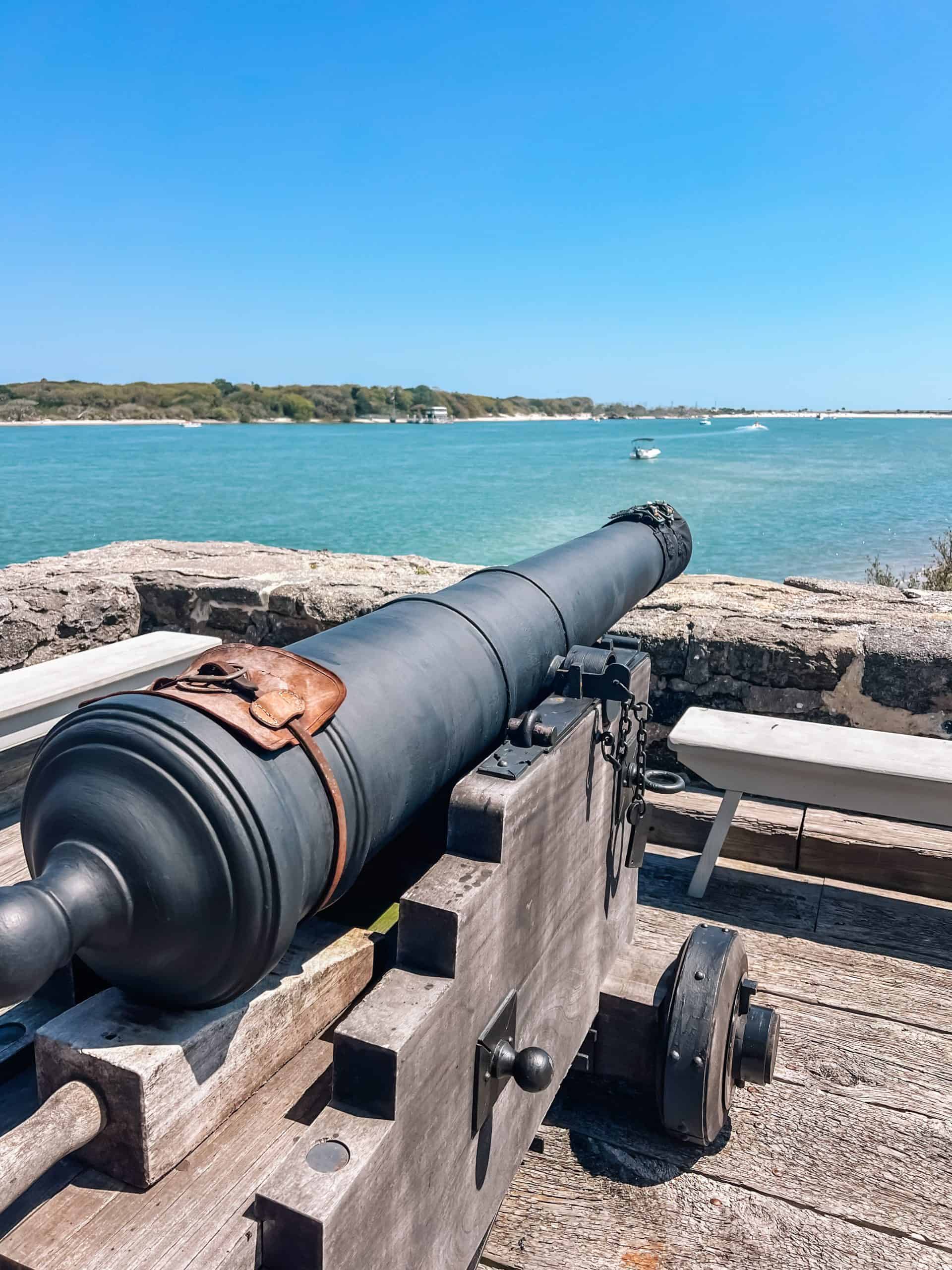
Visit Castillo de San Marcos – The Castillo is one of the most iconic landmarks in Florida and an easy must-see. Standing on the old coquina walls overlooking the water gives you a real sense of the city’s Spanish colonial history. It’s an easy stop to weave into any itinerary, especially if you’re following my 3 Days in St. Augustine guide.
Climb the St. Augustine Lighthouse – The lighthouse is one of my favorite viewpoints in the area. The climb is a bit of a workout, but the reward is a sweeping look over the coastline, especially beautiful in the late afternoon light. It’s a great mix of history and scenery all in one stop.
Spend time at the beach – A visit isn’t complete without time on the coast. St. Augustine Beach is the most popular stretch of sand nearby, and it’s perfect for a slower beach day after exploring downtown.
Try a food tour or guided history tour – If you want to get a feel for the city beyond just walking around, tours are a great way to do it. My St. Augustine Food Tour Review and St. Augustine Private History Tour Review both go into detail on what to expect, but in short, they’re an easy way to experience local restaurants and hear the stories that bring the city to life.
Visit the Fountain of Youth – Fountain of Youth Archaeological Park is one of the city’s most famous attractions and ties into the legend of Ponce de León’s search for the Fountain of Youth. I’ve enjoyed visiting this museum, but be advised it’s mostly outside so go early to beat the heat.
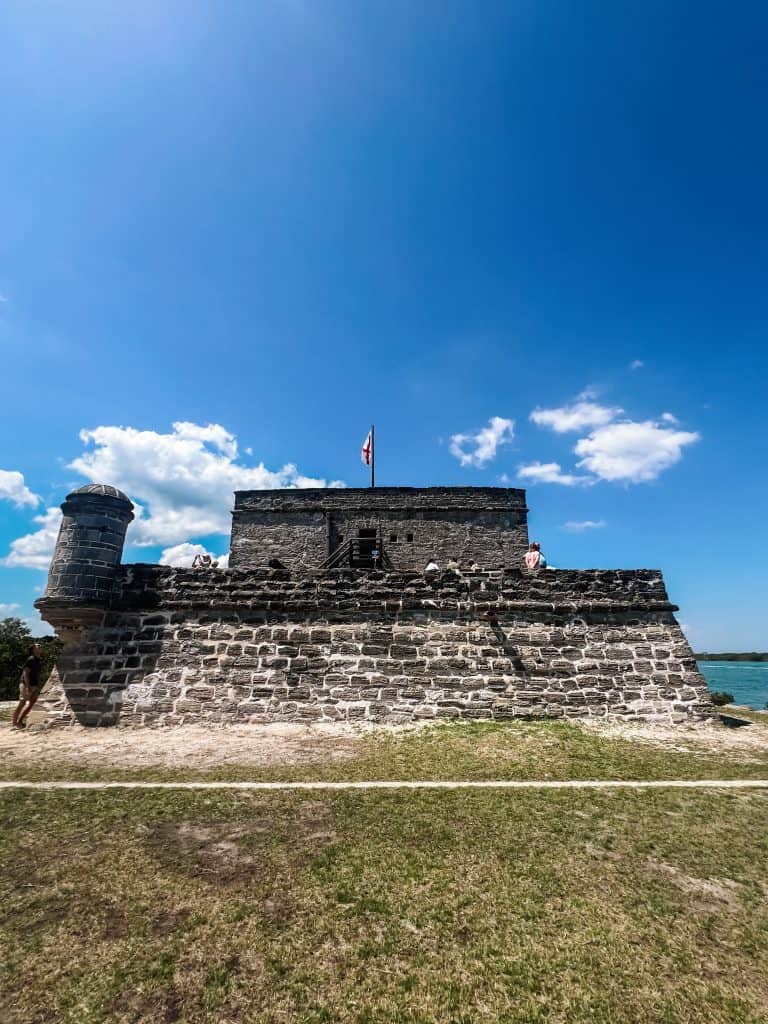
Visit Fort Matanzas National Monument – Just south of town, Fort Matanzas National Monument is one of those places that feels a little quieter and more unexpected. I actually have a full post on visiting Fort Matanzas because it’s such an easy stop that many people skip, even though it’s free and very scenic.
Experience Christmas in St. Augustine – If you’re visiting in winter, Nights of Lights completely transforms the city. The historic district glows with millions of lights, and it feels like a completely different version of St. Augustine. I cover everything in my Christmas in St. Augustine: The Ultimate Guide.
Take a day trip from St. Augustine – One of the best parts about staying here is how many easy day trips you can take nearby. Springs, small coastal towns, and nature spots are all within driving distance. I’ve rounded up my favorites in my 21+ Best Day Trips from St. Augustine guide, which is perfect if you want to mix in something beyond the city itself.
Essential St. Augustine Travel Tips
Safety – St. Augustine is generally a safe and easy place to visit, especially in the main historic and beach areas. Like any popular destination, it’s always smart to stay aware of your surroundings, especially at night or in less crowded areas. Overall, it’s a relaxed Florida city that feels very visitor-friendly, especially in the walkable downtown core.
Travel insurance – I don’t always purchase travel insurance, but after a couple broken bones I think differently these days. If you’re visiting from an international destination, it could be worth considering.
What to pack:
- Comfortable walking shoes (you’ll use them more than you think)
- Lightweight, breathable clothing (Florida heat is intense)
- Swimsuits for beach time at St. Augustine Beach
- Hat, sunglasses, and sunscreen
- A jacket or layer for cold to cooler evenings in winter (For more detailed advice, check out my guide on what to pack for St. Augustine in the winter)
- Dinner outfit(s)
Culture and vibe – St. Augustine has a slower, historic coastal feel compared to Florida’s bigger cities. People are generally friendly, and the pace in the historic district can feel more relaxed, especially in the evenings when the crowds thin out and the streets get quieter.
Payment tips – Most places accept cards. Parking, tours, and popular restaurants can add up quickly in peak season, so it helps to plan ahead if you’re visiting during holidays or weekends.
Tipping – Tipping follows standard U.S. customs. Around 15–20% at restaurants is typical, and small tips for tour guides, drivers, or service staff are appreciated but not always required depending on the service. (No, it’s not just you as I also think tipping it out of control in the U.S.)
Solo travel – St. Augustine is a very manageable destination for solo travelers. The historic district is walkable and well-trafficked during the day, and guided tours are a good option if you want a more structured way to explore. While I don’t live far, I have visited St. Augustine on my own and I felt safe.
Connectivity – WiFi is widely available in hotels, cafes, and many attractions throughout the city. Cell service is generally strong, especially in the historic district and beach areas.
-
Visiting Fort Matanzas National Monument: The Free Florida Fort Most People Have Never Heard Of
Visiting Fort Matanzas National Monument is easy and best of all it’s free! I’ve gone a couple times and it makes for a fun outing that offers history and pretty views. This fort played a pivotal role in protecting St. Augustine and you can see how the soldiers would have lived when working at the…
-
Hilton Garden Inn St. Augustine Historic District Review: A Good Base?
In this Hilton Garden Inn St. Augustine Historic District review, I’ll cover the location, room, hotel amenities, and what I did and did not like about my stay. My friend won a stay here when she won some concert tickets at her job. I don’t live too far from St. Augustine, so I always have…
-
St. Augustine Private History Tour Review: A Fun Way to Explore America’s Oldest City
Despite growing up in east central Florida, I just did my first St. Augustine private history tour. While I had visited the fort as a kid, I had never truly experienced a tour of the historic district of St. Augustine. My friend and her two daughters joined me, making it a group of four. The…
-
St. Augustine Food Tour Review: My Honest Experience (Is It Worth It?)
While this experience is fresh on my mind, I want to offer my St. Augustine food tour review! I grew up visiting this historic Florida city, since I don’t live far. From field trips as a kid to visiting as an adult just for fun, I love exploring the oldest city! I generally prefer to…
-
What to Pack for St. Augustine in the Winter: A Local’s Advice
If you’re planning a winter getaway to Florida, you might be wondering what to pack for St. Augustine in the winter. The nation’s oldest city is charming any time of year, but winter really is one of the best seasons to visit. Florida winters are mild, but they’re also unpredictable. One morning it’ll be 48°F…
-
21+ Best Day Trips from St. Augustine: Beaches, Springs, Small Towns & More
Are you looking for the best day trips from St. Augustine? I’ve grown up in central Florida and love exploring, whether it’s in this state or abroad! I’ve included the best day trips from St. Augustine into various categories to make it easy for you to find the best one for your trip! I love…
-
3 Days in St. Augustine: The Perfect Itinerary for Florida’s Oldest City
Planning on spending 3 days in St. Augustine and need an itinerary? I’ve been numerous times since I live fairly close and I love this charming historic town. Regardless of when you visit, there is history, small town charm, beaches and nature that can fill your 3 day itinerary! This 3 day St. Augustine itinerary…
-
1 Day in St. Augustine: How to See the Best of Florida’s Oldest City
Planning on spending 1 day in St. Augustine? I live close to the oldest city and have been many times! It’s a beautiful, historic, and interesting city. They have great food, beaches, rivers, and plenty of history! I focus on a self guided day, but I also highlight tour options that could make things easier…
-
Where to Stay in St. Augustine for Christmas: Best Areas & Festive Hotels
Wondering where to stay in St. Augustine for Christmas? I love this historic town and since I live relatively close, I’ve been many times! St. Augustine at Christmas is an especially great time to visit. The cooler weather, the beautiful lights, and events like the holiday boat parade make it a perfect December destination. Let’s…
-
Christmas in St. Augustine: The Ultimate Guide to Lights, Markets & Holiday Fun
Christmas in St. Augustine is full of charm and holiday magic! While our Florida weather may not always lend itself to cozy Christmas vibes, St. Augustine is a great destination for the holidays! I don’t live far from St. Augustine, so I’ve had my fair share of day trips to America’s oldest city. If you’re…






Want to Explore More?
Check out my Florida Guides or start planning your next adventure in the Americas!