
Miami.
Despite growing up in Central Florida, I didn’t visit Miami much until my brother moved to South Florida. I always assumed it was too crowded and chaotic to be worth exploring beyond a quick visit.
While Miami can certainly feel that way, I discovered there’s much more to the city than I expected. From the art deco architecture of Miami Beach and the culture of Little Havana to the creative energy of Wynwood and the old Florida charm of Coconut Grove, Miami completely changed my perspective.

Not Sure Where to Start?


Miami Travel FAQs

How many days do you need in Miami?
I recommend spending at least three to four days in Miami. That gives you enough time to relax on the beach, explore neighborhoods like Little Havana, Wynwood, and Coconut Grove, visit a few attractions, and even take a day trip if you have extra time. If you’re short on time, you can still see many of the highlights in a weekend.
What’s the best time to visit Miami?
The best time to visit Miami is from November through April when temperatures are warm, but humidity is lower, and it’s much more comfortable for exploring. This is also peak tourist season, so expect higher prices. Summer is very hot, more humid, and brings frequent afternoon thunderstorms, but you’ll often find better hotel deals.
Is Miami walkable?
It depends on where you stay. Neighborhoods like South Beach, Wynwood, Coconut Grove, and Brickell are all very walkable once you’re there. However, Miami is a sprawling city, so you’ll need a car or rideshare to travel between neighborhoods.
Can Miami be done on a budget?
Yes, but planning ahead helps. Visit during the shoulder season, look for accommodations outside of South Beach, enjoy the many free beaches and parks, and mix paid attractions with free neighborhoods like Wynwood and Little Havana. Food and parking can add up quickly, so budget for those.
Where should I stay in Miami?
The best area to stay depends on the type of trip you’re planning. South Beach is ideal if you want nightlife and easy beach access, while Brickell offers a more modern city feel. Coconut Grove is quieter and full of charm, and Downtown provides convenient access to attractions throughout the city. I cover each neighborhood in more detail in my guide to the best areas to stay in Miami.
Is Miami safe for tourists?
Overall, yes. Millions of visitors travel to Miami every year without problems. Like any large city, it’s important to stay aware of your surroundings, avoid isolated areas late at night, and keep an eye on your belongings in busy tourist areas. If you travel here solo, I also recommend staying sober!
Is Miami good for families?
Absolutely. Beyond the beaches, Miami has beautiful parks, museums, wildlife experiences, boat tours, and neighborhoods that are fun to explore with kids. Families who enjoy a mix of outdoor activities, culture, and beach time will find plenty to do.
Planning Your Miami Trip: Everything You Need to Know
When to Visit Miami
Miami is a year-round destination, but there are definitely better times to visit!
Best time to visit: May, September – October. I love shoulder seasons, but with year-round destinations, it can be difficult to find the shoulder months. May and September through October are still plenty hot for beaches, but will see less crowds overall. Temperatures are starting to drop in central and north Florida, but Miami won’t see as large of a dip. Still the weather is better than the summer months and crowds are fewer. Just know there is still risk of a hurricane in September and October, so keep that in mind. May doesn’t have the hurricane threat, but it’s definitely hot enough for water activities and since most people are finishing up school, summer holidays haven’t started yet.
Peak season: November – April. When winter has set in for the northern hemisphere, people are looking for a warm retreat. Miami offers a big city with sunshine and warmth, so it’s a perfect destination. This brings crowds and higher prices, but the weather is at its best and the threat of hurricanes is gone. High season goes through April due to Spring Break in the United States, so even though the weather is very warm in March and April, there are plenty of crowds to account for through April.
Getting to Miami
By Air Most visitors fly into Miami International Airport (MIA), which offers nonstop flights from across the United States and internationally. Another great option is Fort Lauderdale-Hollywood International Airport (FLL), located about 30 to 45 minutes north of Miami. Depending on your flights and where you’re staying, flying into Fort Lauderdale can sometimes save you money and it’s way less busy of an airport.
By car: If you’re already visiting another part of Florida, Miami is an easy road trip destination. I always drive from Central Florida, which gives me the flexibility to explore neighborhoods like Wynwood, Coconut Grove, and Little Havana at my own pace. Just keep in mind that traffic can be heavy, especially during rush hour, and parking can be very expensive in popular areas like South Beach.
By train: Brightline is one of the easiest ways to travel between Orlando and south Florida. It connects Miami with Orlando, West Palm Beach, Boca Raton, Fort Lauderdale, Aventura, and other stations along Florida’s east coast. If you don’t want to deal with traffic, it’s a comfortable and convenient option. Amtrak is also an option, but my recommendation is to stick with Brightline as Amtrak takes much longer and usually costs the same or more.
From the airport: Rideshares, taxis, and public transportation are all good options for the main Miami areas. Rental cars offer the most flexibility if you plan to explore outside Miami or take day trips. However, I’d recommend rideshares and public transport to avoid parking headaches and cost.
Budget tip: Compare flights into both Miami International Airport (MIA) and Fort Lauderdale-Hollywood International Airport (FLL). Even after factoring in transportation to your hotel, flying into Fort Lauderdale can sometimes be significantly cheaper and as a bonus, it’s less hectic.
Getting Around Miami
Miami is a large, spread-out city, so how you get around will depend on what you plan to do. While I always drive from Central Florida, I don’t think renting a car is the best choice for most visitors.
Rideshares: For most visitors, Uber and Lyft are the easiest way to get around Miami. Parking can be expensive, especially in popular areas like South Beach, so using rideshares can save you both money and the hassle of finding parking.
Public transportation: Miami has several public transportation options depending on where you’re staying. The free MetroMover is great for getting around Downtown and Brickell, while the Miami Beach Trolley and Freebee are convenient for shorter trips in select neighborhoods. If you’re planning to rely on public transportation, check the routes ahead of time to make sure they serve the areas you want to visit.
Rental cars: If you’re planning day trips or want to explore beyond Miami’s main neighborhoods, renting a car gives you the most flexibility. Just keep in mind that traffic can be heavy throughout the day, and parking fees can add up quickly.
Walking: Neighborhoods like South Beach, Wynwood, Coconut Grove, and Little Havana are all enjoyable to explore on foot once you’re there. Rideshares or public transport to and from the neighborhoods are essential because they are too spread out and as a bonus, you won’t need to worry about parking!
Traffic: Miami traffic has a reputation for a reason. Roads can stay busy throughout the day, but if possible, avoid driving between 7:00–9:00 a.m. and 4:00–7:00 p.m. when rush hour is at its worst.
Where to Stay in Miami
I’ve been to Miami multiple times since my brother lives there, so I’ve had the chance to explore several neighborhoods firsthand. Here’s a quick breakdown to help you find the best area to stay in Miami for your trip.
South Beach is the classic choice for first-time visitors and anyone who wants nightlife, walkability, and that unmistakable Miami Beach energy. It’s lively and convenient, but parking is expensive and it can get noisy. Stay South of Fifth if you want a quieter slice of the same area.
Downtown Miami and Brickell work well if you want a central urban base close to the cruise port, the Pérez Art Museum, and Frost Science. It won’t give you a uniquely Miami feel the way the neighborhoods do, but the rooftop bars and water views make up for it.

Wynwood is the pick for art lovers and anyone who wants something beyond the beach scene. The Wynwood Walls alone are worth a visit, and the neighborhood has grown dramatically in recent years. Just note it’s not beachfront.
For a full breakdown of hotels by neighborhood and budget, head to my dedicated post: Best Area to Stay in Miami.

Little Havana is one of the most authentic parts of the city, and it’s affordable. It’s where I’d recommend doing a food tour, and if you’re staying there, you’re a short drive from most major Miami attractions.
Coconut Grove is my personal favorite for vibe. It’s leafy, relaxed, and sits along Biscayne Bay. Great for families or anyone who wants a slower pace. It can get surprisingly crowded on weekends though.
Coral Gables offers old Miami charm with Mediterranean architecture, upscale dining, and the iconic Biltmore Hotel. I haven’t spent much time there beyond driving through, but it’s a beautiful, peaceful neighborhood for couples or anyone who wants quiet luxury.
Key Biscayne is the best option if you want a beach without the South Beach crowds. It’s a small island with calm water, beautiful state parks, and a genuinely peaceful atmosphere. It’s pricier and less convenient for exploring the city, but if beach serenity is the priority, it’s the top choice.
Top Things to Do in Miami
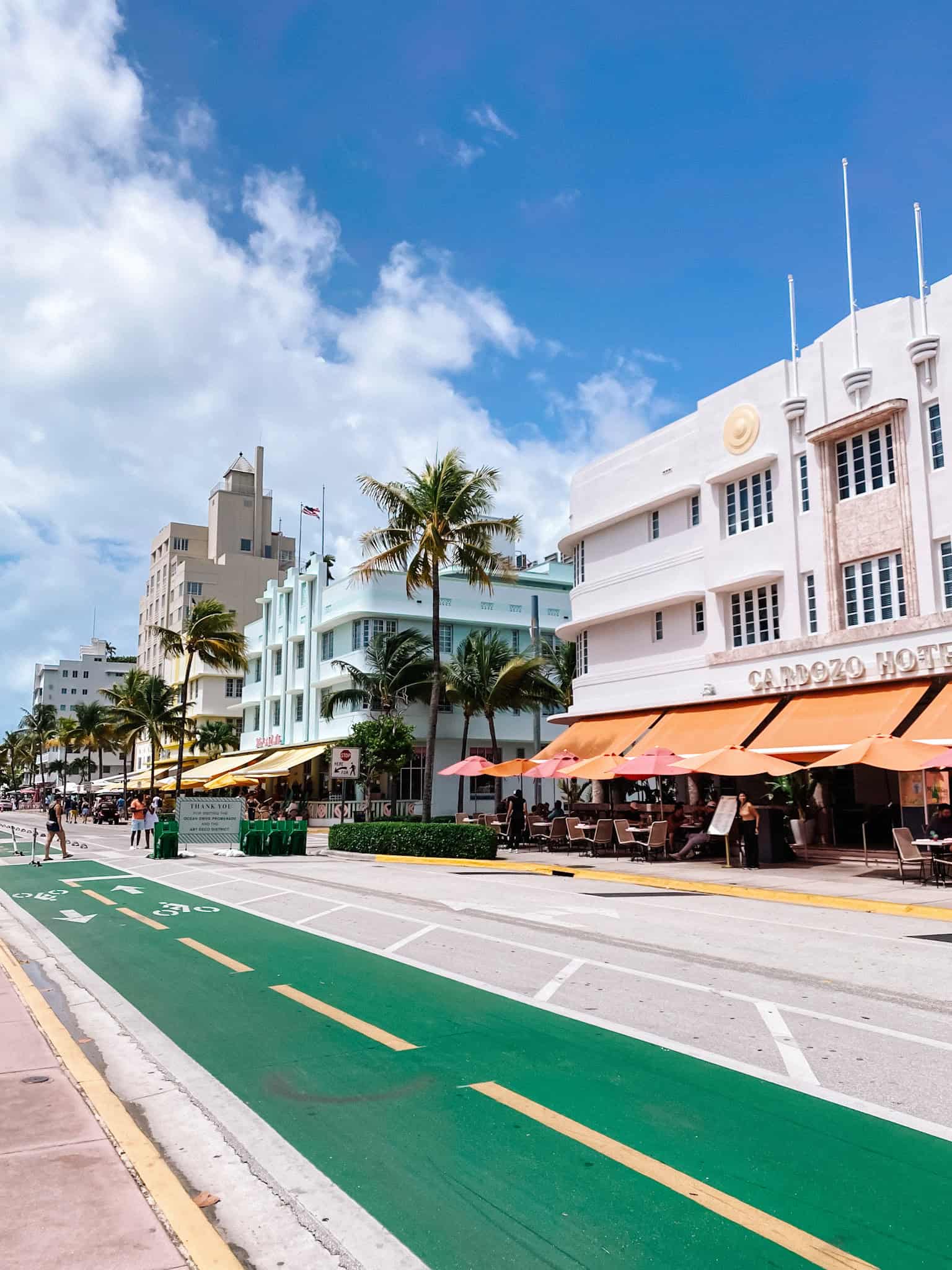
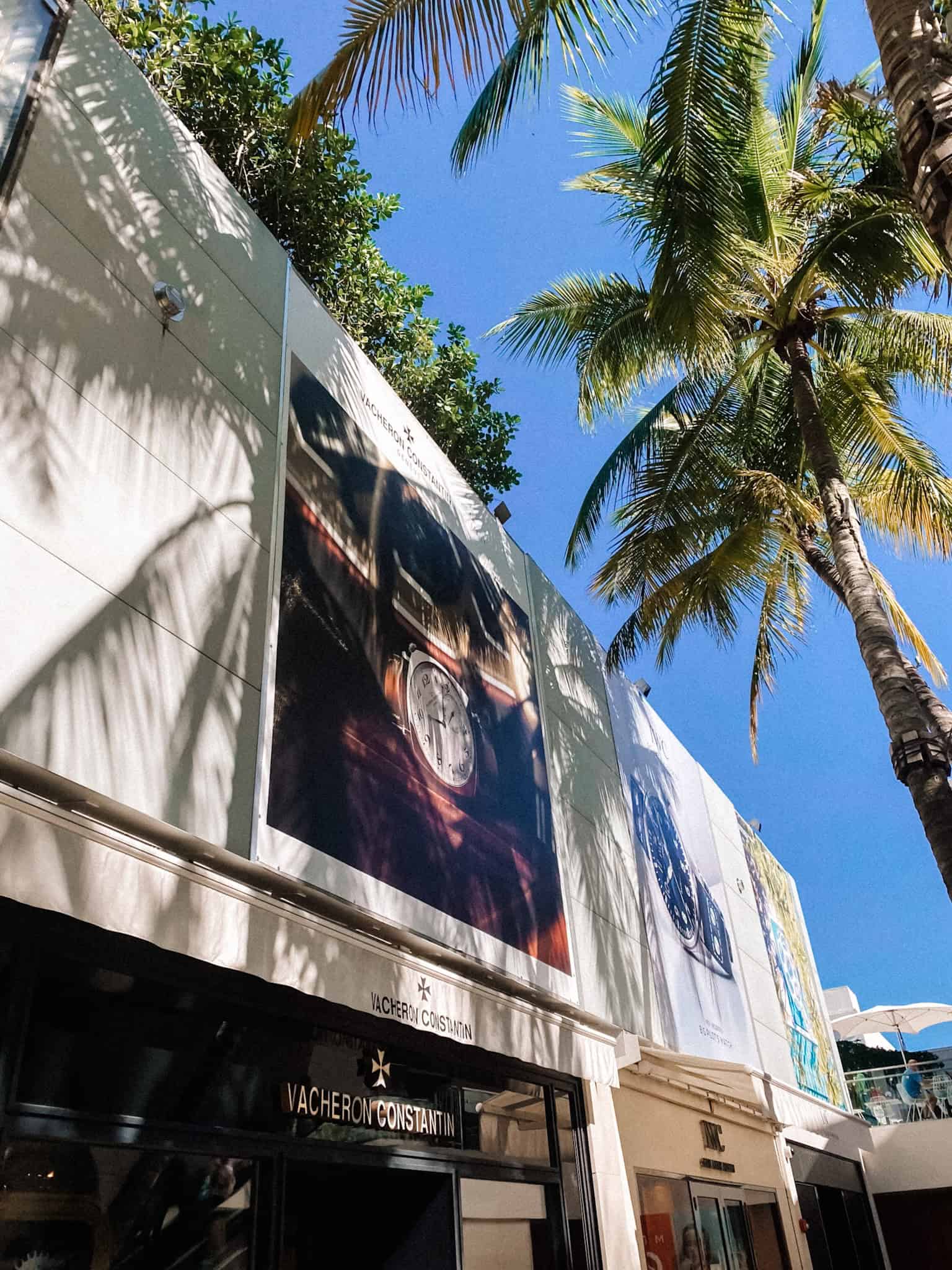
South Beach & Ocean Drive: Walk Ocean Drive, stroll the Art Deco Historic District, and spend time on the beach. An Art Deco walking tour is worth doing if architecture or history interests you. Lincoln Road and Collins Avenue are the go-to spots for shopping.
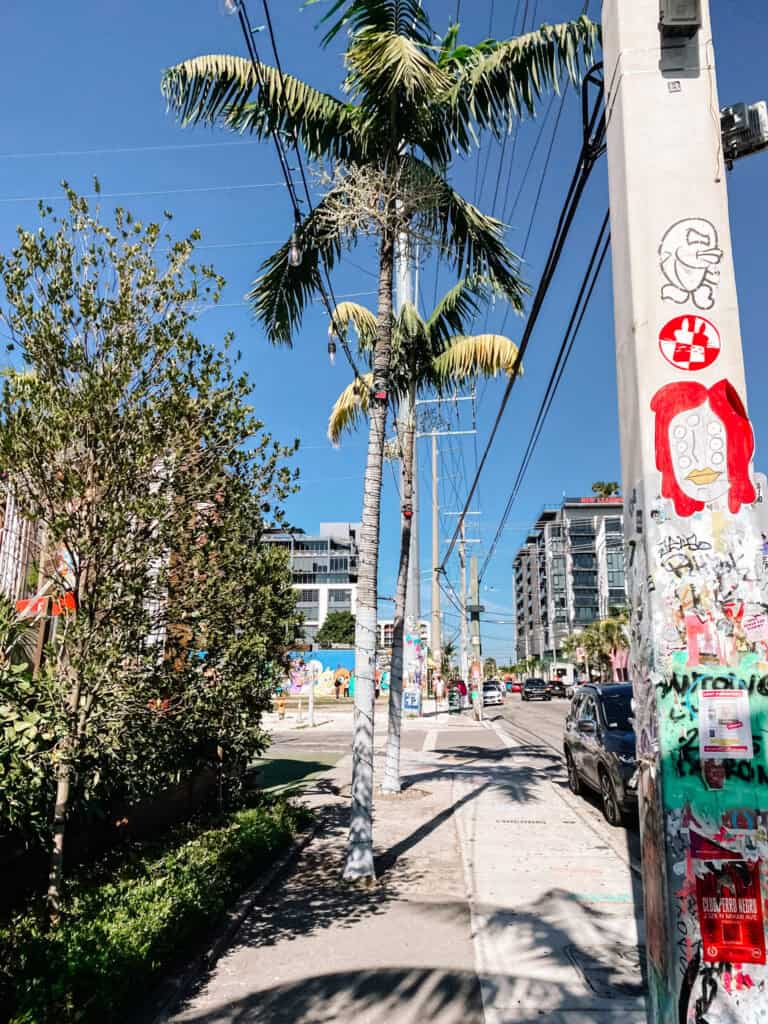
Wynwood Walls: One of Miami’s most-visited spots and worth it every time. Even if the entrance fee isn’t in your budget, Wynwood as a neighborhood is still worth exploring for the street art, restaurants, and shops.
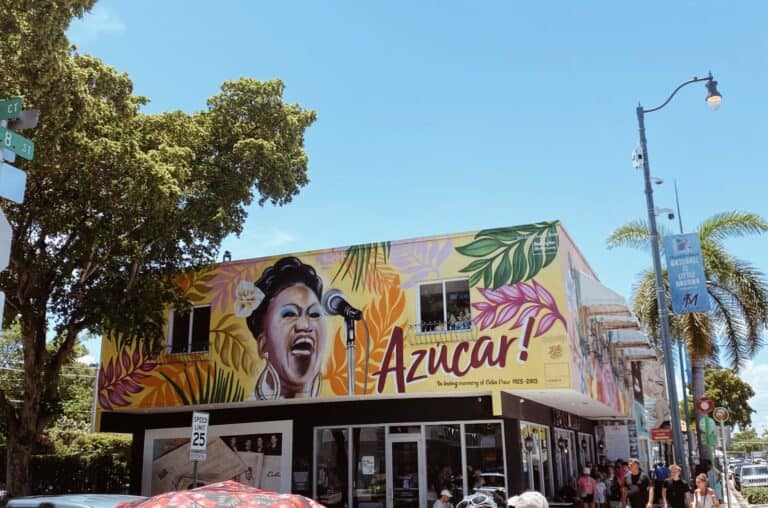
Little Havana (Calle Ocho): Walk Domino Park, grab a Cuban coffee from a street window, and pop into a cigar shop. A Little Havana food tour brings it to life in a way that solo exploring doesn’t. I did the tour once and went back on my own, and the tour experience was far better.
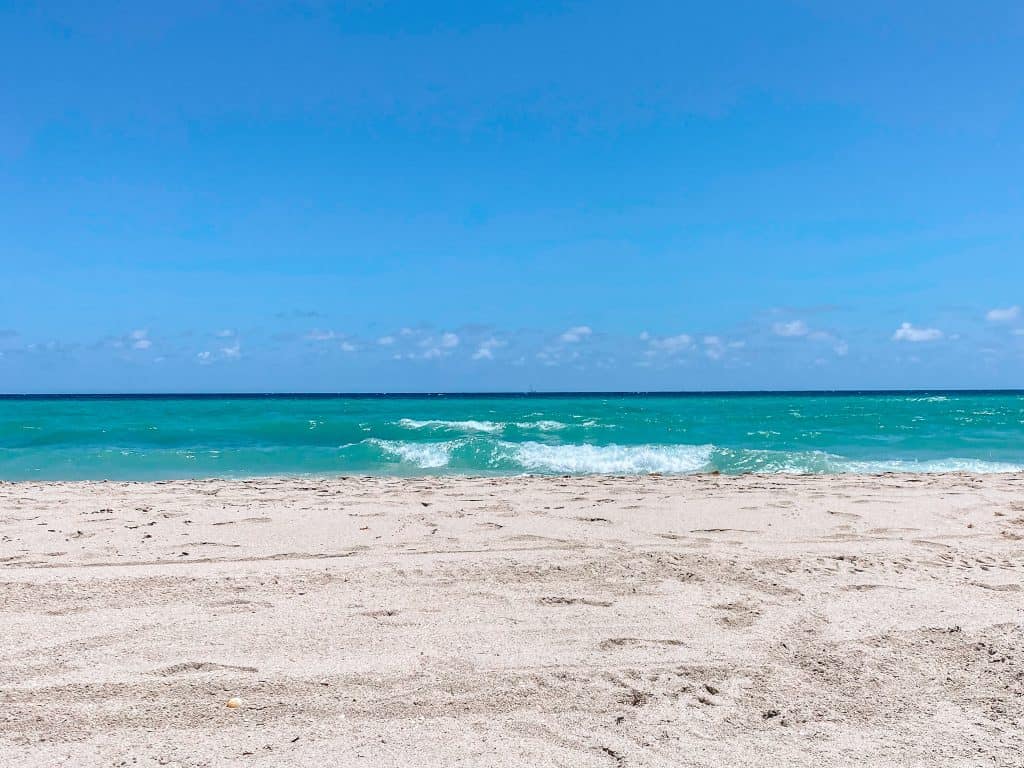
Enjoy the beach: South Beach is iconic but loud. For a more relaxed day, try Crandon Beach on Key Biscayne, North Beach, or Bal Harbour for something quieter and more local.
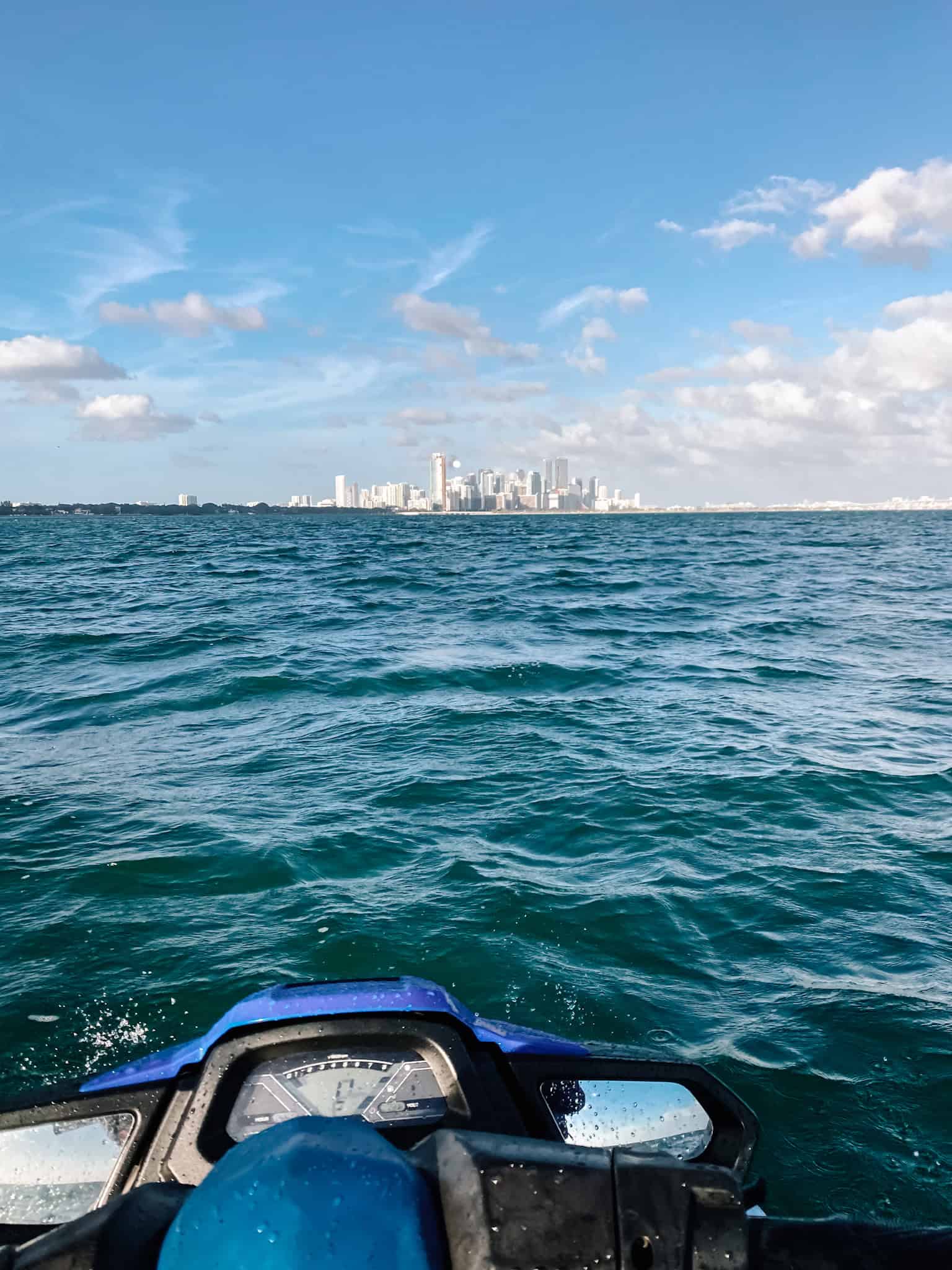
Get out on Biscayne Bay: Jet skiing, sailing, kayaking, or a sightseeing boat tour. The bay is a big part of Miami that’s easy to miss if you only stick to land. I rented jet skis and loved it.
Explore the more neighborhoods: Coconut Grove for old Florida charm (avoid weekend crowds, if possible), Coral Gables for Mediterranean architecture and a slower pace, and the Design District as an easy add-on to Wynwood.
Vizcaya Museum & Gardens: One of the most beautiful historic sites in Miami. It feels surprisingly European, with a waterfront mansion and Italian-style gardens. I think the Vizcaya Museum is worth it, but go in the morning and avoid peak summer heat if you can.
Food tour: Little Havana, South Beach, and Wynwood all have solid food tour options. If you enjoy context with your meals, this is an easy win.
Day trip to the Everglades: Airboat tours and boardwalk trails are both options. It’s an easy half or full day from Miami and one of the most unique ecosystems in the U.S.
Day trip to Key Largo: The first of the Florida Keys, known for snorkeling and clear water. I did a two-reef snorkel tour and it was a highlight of my South Florida time.
Sunset along the water: South Beach faces east, so head toward Biscayne Bay for sunsets. South Pointe Park is an easy option, especially after a day in South Beach.
Essential Miami Travel Tips
Book accommodations early: South Beach and popular neighborhoods fill up fast, especially December through March when snowbirds and winter travelers drive prices up significantly. Even shoulder season books quickly for well-reviewed properties, so don’t leave it late.
Travel insurance – Worth considering depending on your situation and how far you’re traveling. It can offer extra peace of mind, especially for international visitors or longer trips.
What to pack:
- Reef-safe sunscreen
- Lightweight, breathable clothing
- Hat and sunglasses
- A light layer for heavily air-conditioned restaurants and shops
- Comfortable walking shoes for neighborhoods like Wynwood and Little Havana
- Swimsuit and beach attire
- Nice clothes for dinner: Miami dresses up, especially in South Beach and some places have a dress code
See my complete Florida packing guide for seasonal advice from a local.
Getting around: Rideshares work well if you’re staying centrally and don’t want to deal with parking. A car is helpful for day trips to the Everglades, Key Largo, or Fort Lauderdale, but it’s not necessary for South Beach, Wynwood, or downtown areas. Parking in South Beach is expensive, so budget for it or avoid it entirely.
Tipping: Standard U.S. tipping applies. 18-20% is the norm for restaurants, and a few dollars for rideshare drivers and hotel staff is appreciated. Some restaurants will automatically add the tip, so check before leaving extra!
Credit cards & cash: Cards are accepted almost everywhere in Miami. Keep a little cash on hand for smaller spots, street vendors, or Cuban coffee windows.
Language: English is the main language, but don’t be surprised to encounter Spanish only speaking people in some areas.
Solo travel: While I haven’t been in South Florida completely solo, I have explored Miami alone. I felt safe in all the main tourist areas, but use common sense and stay sober no matter where you travel solo.
WiFi: Widely available at hotels, cafés, and restaurants. Download offline maps before heading out, especially if you’re driving to the Everglades or Keys where service can get spotty.
-
4 Days in Miami: The Perfect Itinerary With Beaches, Culture & Day Trips
After visiting Miami many times, especially with my brother living in south Florida, here’s how I’d spend 4 days in Miami. I’ve grown up in central Florida, so I’ve spent time in Miami for varying lengths including 4 days and I think that’s a great amount of time to really experience this vibrant city. Miami…
-
Is Vizcaya Museum Worth It? My Honest Miami Experience & Tips
I’ve been to this beautiful estate in Coconut Grove and can confirm the Vizcaya Museum is worth it. I really enjoyed the experience overall, but that doesn’t mean it’s for every Miami trip. With my brother living in south Florida while I live in central, it’s been easy for me to make many trips to…
-
33+ Ideas for What to Do in Miami (Beaches, Neighborhoods & Hidden Gems)
When it comes to what to do in Miami, you won’t lack for options! As a Florida resident, I’ve been to Miami many times, especially since my brother moved to South Florida! As a big, iconic city, there are plenty of things to do in Miami. I’ve curated a list of the best things to…
-
Best Area to Stay in Miami: Choosing the Right Neighborhood for Your Trip
The best area to stay in Miami will be different depending on the purpose and preferences of your trip. I’ve been multiple times since my brother lives there, and I’m happy to offer some insight and suggestions to make your planning easier! If South Beach doesn’t appeal to you, you still have plenty of good…
-
Little Havana Food and Walking Tour Review | Is It Worth It?
Miami has a ton to offer, so you might be wondering if the Little Havana Food and Walking Tour is worth it. I was recently in South Florida and decided to book this tour! It has food and culture, two things I enjoy when traveling! I was recently back in south Florida, since my brother lives down…



Want to Explore More?
Check out my Florida Guides or start planning your USA trip!