
Florida Keys.
Growing up in Florida, it’s always apparent the differences between north, central and south Florida, but the Florida Keys really have their own identity! From quirky Key West to laid back Key Largo, the Florida Keys are a unique destination.
While the rest of Florida boasts miles and miles of beaches, these little islands have small town charm and make a great boating destination. I’ve enjoyed several trips here and one thing is for sure, the Florida Keys have a vibe all their own!
Not Sure Where to Start?

Florida Keys Itineraries.

Where to Stay in the Florida Keys.
Florida Keys Travel FAQs
How do I get to the Florida Keys?
The Florida Keys are accessible by car via the Overseas Highway (US-1), one of the most scenic drives in the United States. The highway connects the mainland to Key West across 42 bridges, including the iconic Seven Mile Bridge. Key Largo is about an hour and a half from Miami and Key West will take four hours, so flying into Key West International Airport is another great option.
How long is the drive from Miami to Key West?
Without traffic, the drive from Miami to Key West takes about three and a half to four hours. Traffic can add significant time, especially on weekends and during peak season.
How many days do you need in the Florida Keys?
It depends on what you want to see. One day is enough for a Key Largo snorkeling day trip from Miami or other water activities. For Key West, I recommend at least a weekend, ideally three days, to cover the highlights without rushing. If you want to explore all of the Florida Keys plan for five to seven days.
Is Key West worth visiting?
Yes, and it’s worth more than a quick stop. The combination of history, water activities, Duval Street, sunsets at Mallory Square, and the chance for a day trip to Dry Tortugas make it one of Florida’s most distinctive destinations. I’ve visited on a cruise for a day in Key West and more recently for a weekend.
What is the best time to visit the Florida Keys?
November through April is peak season with the best weather, lower humidity, and no hurricane risk. December through March brings the most visitors and highest prices. May and October are good shoulder season options with fewer crowds and still pleasant weather. Summer is hot and humid with afternoon storms, and hurricane season runs June through November.
Is the Dry Tortugas worth a day trip from Key West?
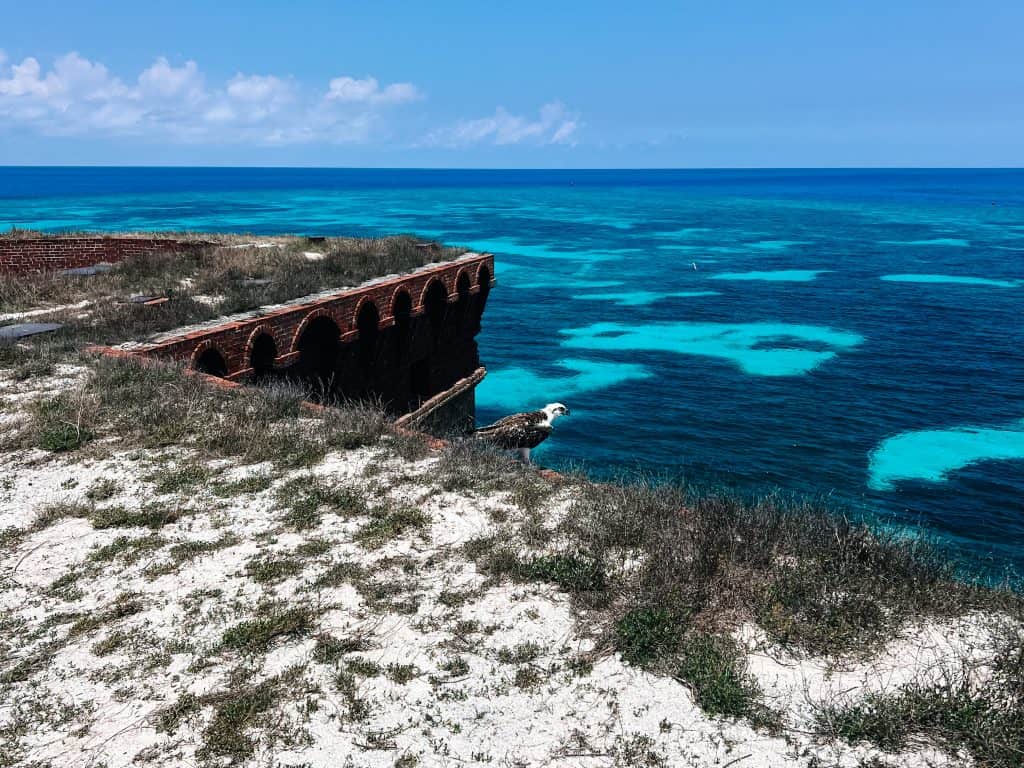
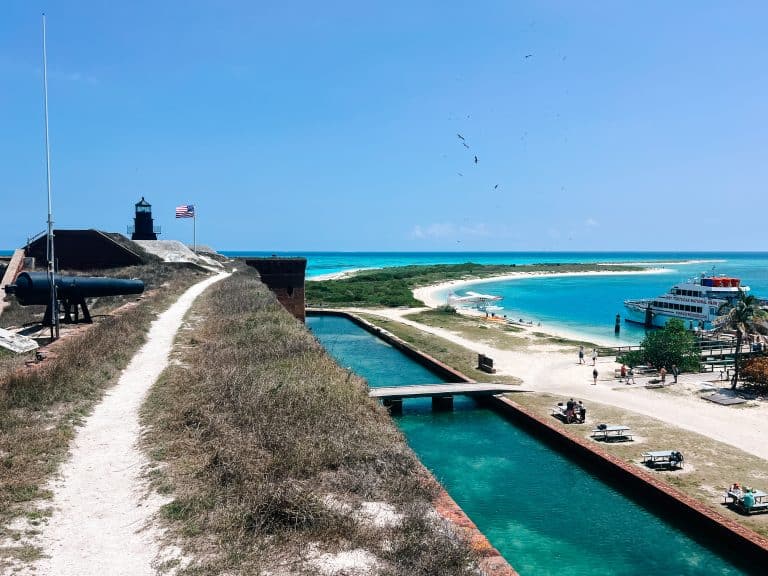
Yes, if you enjoy history, snorkeling, or simply want to experience one of the most remote national parks in the United States. The ferry ride to Dry Tortugas is about two hours each way, so it’s a full day commitment, but Fort Jefferson and the surrounding reef make it genuinely memorable. I did the day trip by ferry and recommend booking well in advance since it fills up fast.
Do I need a car in the Florida Keys?
To get to the Keys and explore between them, yes. The Overseas Highway is the only road connecting the islands, so a car is essential for traveling from Key Largo down to Key West or stopping at points in between. As for Key West itself, you don’t need a car. The city is very walkable and scooter or bike rentals are easy to find. If you’re flying into Key West and only plan to stay there, you can skip the rental car entirely and use a ride share when needed.
Planning Your Florida Keys Trip: Everything You Need to Know
When to Visit the Florida Keys
Visiting the Florida Keys year-round is possible, but there are definitely better times to visit!
Best time to visit: Late April, May, September and October. Shoulder seasons are my favorite, and the Keys offer a good window on both ends of summer. May is an excellent choice since the weather is warm enough for snorkeling, beach days, and water activities, but the summer holiday crowds haven’t arrived yet. September and October are also worth considering for fewer crowds and lower prices, though hurricane season runs through November so keep that in mind for travel insurance and flexibility in your plans.
My weekend in Key West was late April and it was perfect! Still hot, but not unbearable and the crowds weren’t bad!
Peak season: November – April. During these months, the Florida Keys become a warm escape from the winter weather. This brings the best weather of the year, low humidity, and no hurricane risk, but also the highest prices and largest crowds. Spring Break keeps the crowds going through mid-April, so even though the weather is lovely in March and April, expect busy roads, packed restaurants, and higher accommodation rates throughout.
Summer (June – August): Hot, humid, and prone to afternoon thunderstorms, but water temperatures are warm and it’s a good time for diving and snorkeling. Prices drop compared to peak season, but the heat and humidity are intense. If you’re coming for the water rather than the atmosphere, summer works.
Getting to the Florida Keys
By air: Most visitors fly into Miami International Airport (MIA), which offers nonstop flights from across the United States and internationally. Fort Lauderdale-Hollywood International Airport (FLL), located about 30 to 45 minutes north of Miami, is another solid option and is significantly less hectic than MIA. Key West also has its own airport (EYW) with limited flights, which is worth checking.
By car: Driving is the most common and flexible way to reach the Florida Keys. From Miami, Key Largo is about an hour to an hour and a half, and Key West is roughly three and a half to four hours without traffic. The Overseas Highway is a scenic drive in its own right, so factor in extra time to enjoy it rather than rushing through.
From the airport: If you fly into Miami or Fort Lauderdale, a rental car is your best option for reaching the Keys since there is no direct public transportation from either airport to Key Largo or Key West. From Key West Airport, some hotels and resorts offer shuttle services or rideshares work great!
Budget tip: Compare flights into Miami (MIA), Fort Lauderdale (FLL), and Key West (EYW). Flying into Key West directly can sometimes save you the cost and hassle of a rental car if Key West is your only stop, while Fort Lauderdale often offers cheaper fares than Miami with less airport chaos. Also, try and stay during the week instead of the weekend to save on accommodations.
Getting Around the Florida Keys
The Florida Keys as a whole: A car is essential for exploring the Keys. The Overseas Highway is the only road connecting the islands from Key Largo to Key West, so there is no practical way to travel between islands without one. If you’re planning to stop at multiple Keys or drive down from Miami, rent a car before you go rather than counting on rideshares for the distance.
Key West: Once you’re in Key West, you can leave the car parked for the rest of your stay. The city is very walkable and most of the main attractions, restaurants, and beaches are concentrated in or around Old Town. Scooter and bike rentals are popular and easy to find, and rideshares are available if you don’t want to walk. Parking in Key West can be expensive and frustrating, so arriving, parking once, and exploring on foot or two wheels is the smarter approach.

Where to Stay in the Florida Keys
The best place to stay in the Florida Keys depends on what type of vacation you’re planning. Each key has its own personality, so choosing the right home base can make a big difference.
Key Largo is the closest key to mainland Florida and is a great choice if you’re planning a shorter trip or want easy access to snorkeling, diving, and water activities.
Islamorada has a relaxed, upscale feel and is known for fishing, beautiful resorts, and stunning sunsets. It’s a great option for couples or anyone looking for a quieter getaway.

Marathon sits in the middle of the Florida Keys, making it an excellent base if you want to explore both the Upper and Lower Keys. Families and travelers planning several day trips often choose Marathon for its central location.
Key West is the most popular place to stay and my recommendation for first-time visitors. It’s full of history, restaurants, nightlife, museums, and iconic attractions, making it easy to spend several days exploring without running out of things to do.
Heading to Key West? Check out my Havana Cabana Hotel Review: My Honest Experience at this Key West Hotel
If you have a car and want to explore all of the Florida Keys, stay central in or between Marathon or Islamorada.
To visit without a car, stay in Key West! You’ll have an easier time getting around and booking tours. Of course, visiting Dry Tortugas for a day is also an option from Key West!
Top Things to Do in the Florida Keys
Whether you’re looking for outdoor adventures, relaxing beach days, or quirky roadside attractions, the Florida Keys offer something for every type of traveler. Here are some of the highlights to add to your itinerary.
Drive the Overseas Highway: One of the most scenic drives in the United States, the Overseas Highway connects the Florida Keys with incredible ocean views, historic bridges, and plenty of places to stop along the way. Crossing the iconic Seven Mile Bridge is a highlight of the drive and one of the most memorable parts of any Florida Keys road trip.
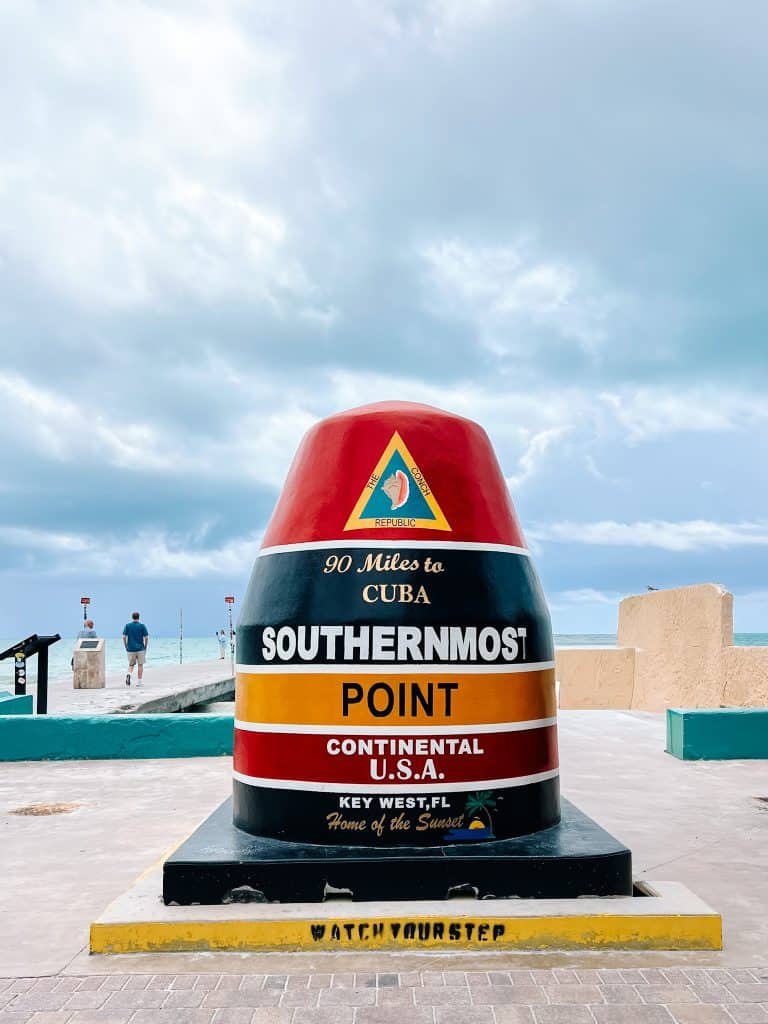
Visit Key West: Stroll Duval Street, visit the Southernmost Point, enjoy the Butterfly Observatory, tour the Ernest Hemingway Home, Mallory Square, and Fort Zachary Taylor Historic State Park. The cultural heart of the Florida Keys and well worth visiting, whether you spend one day in Key West or more.
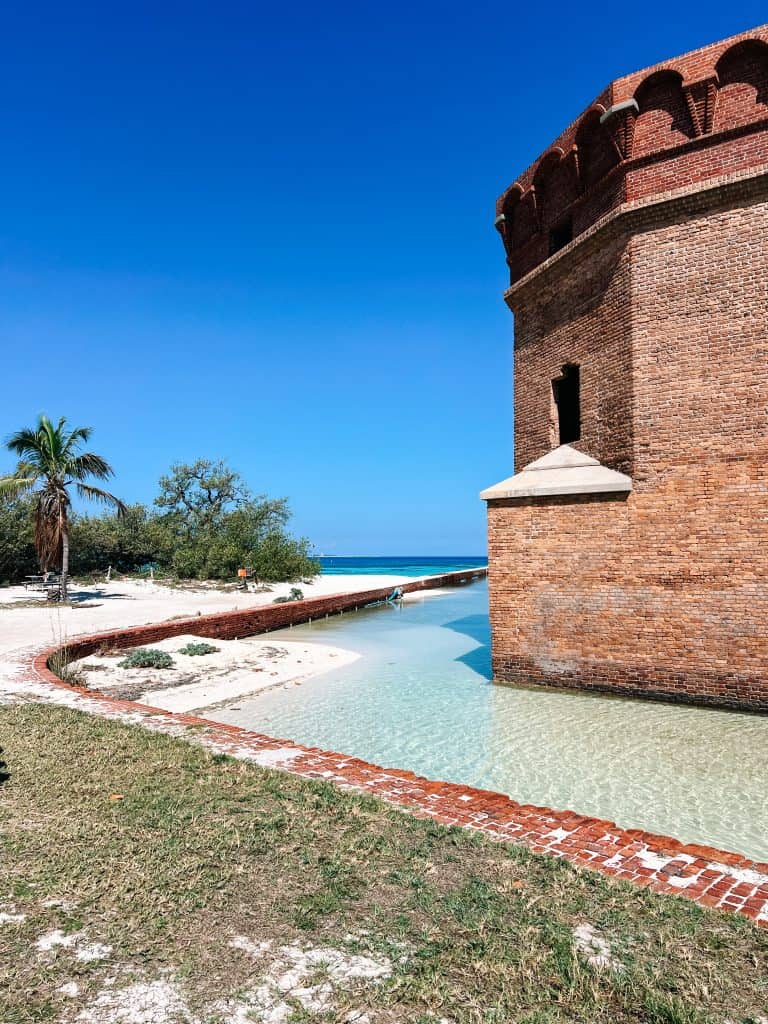
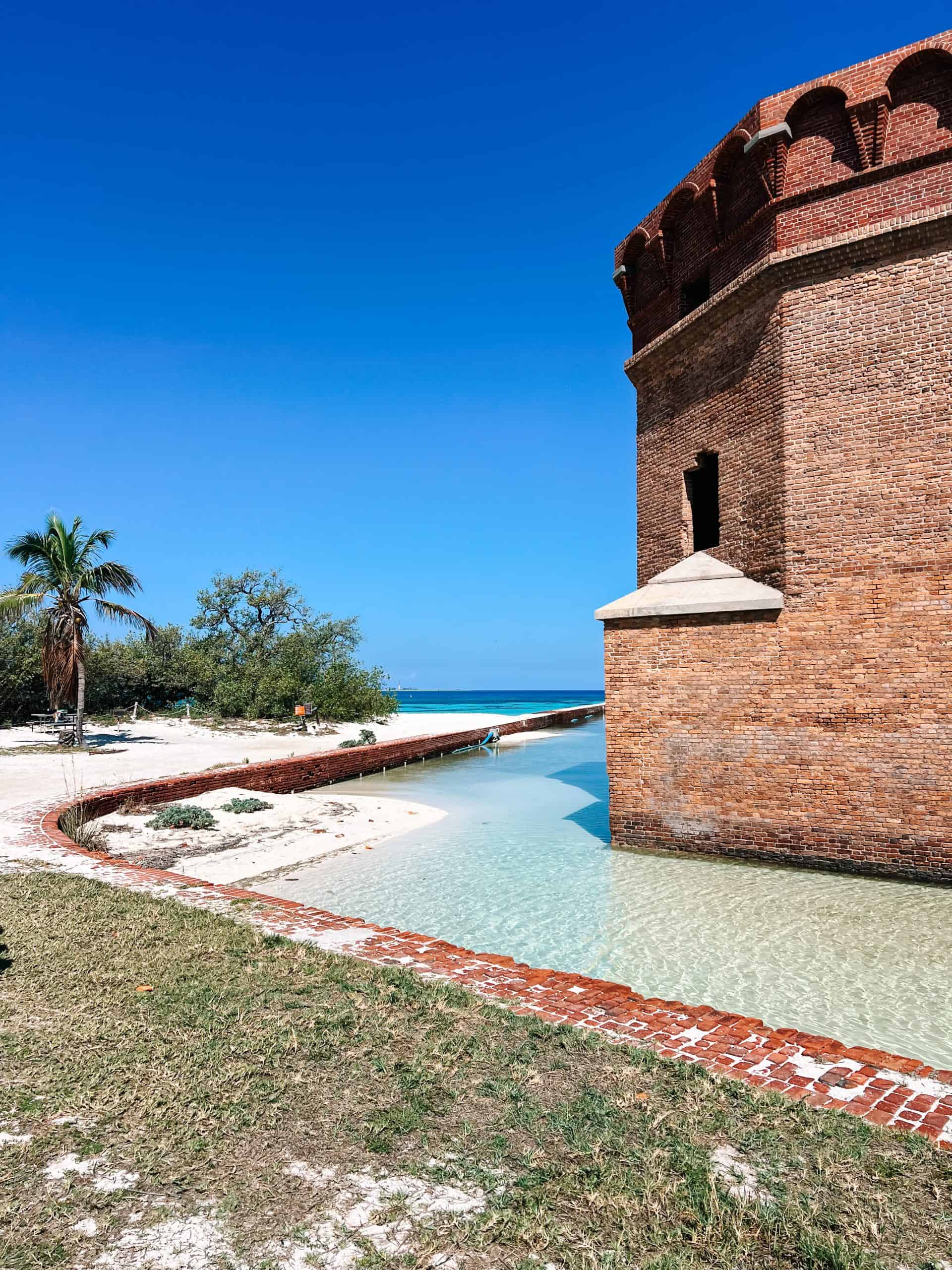
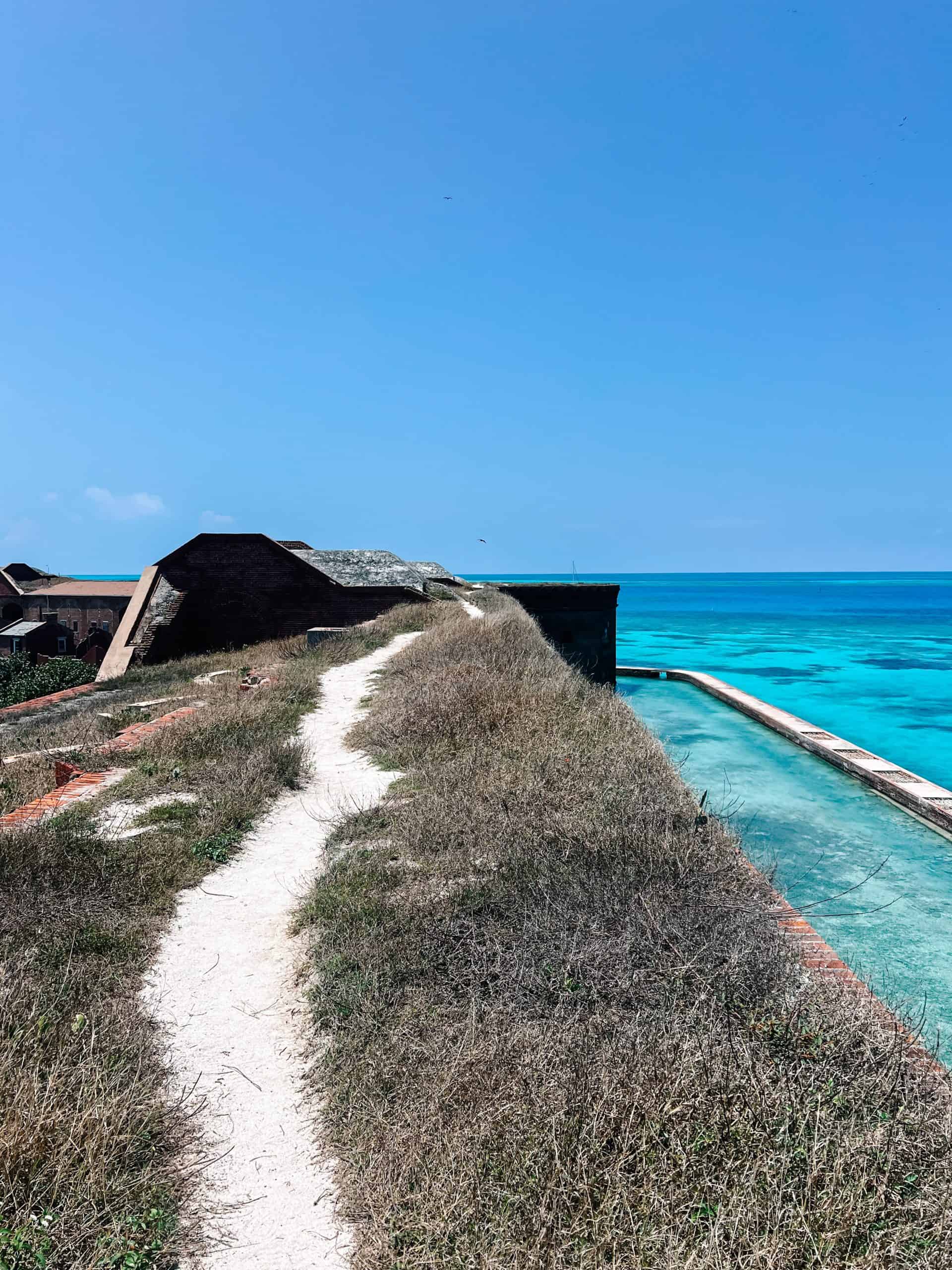
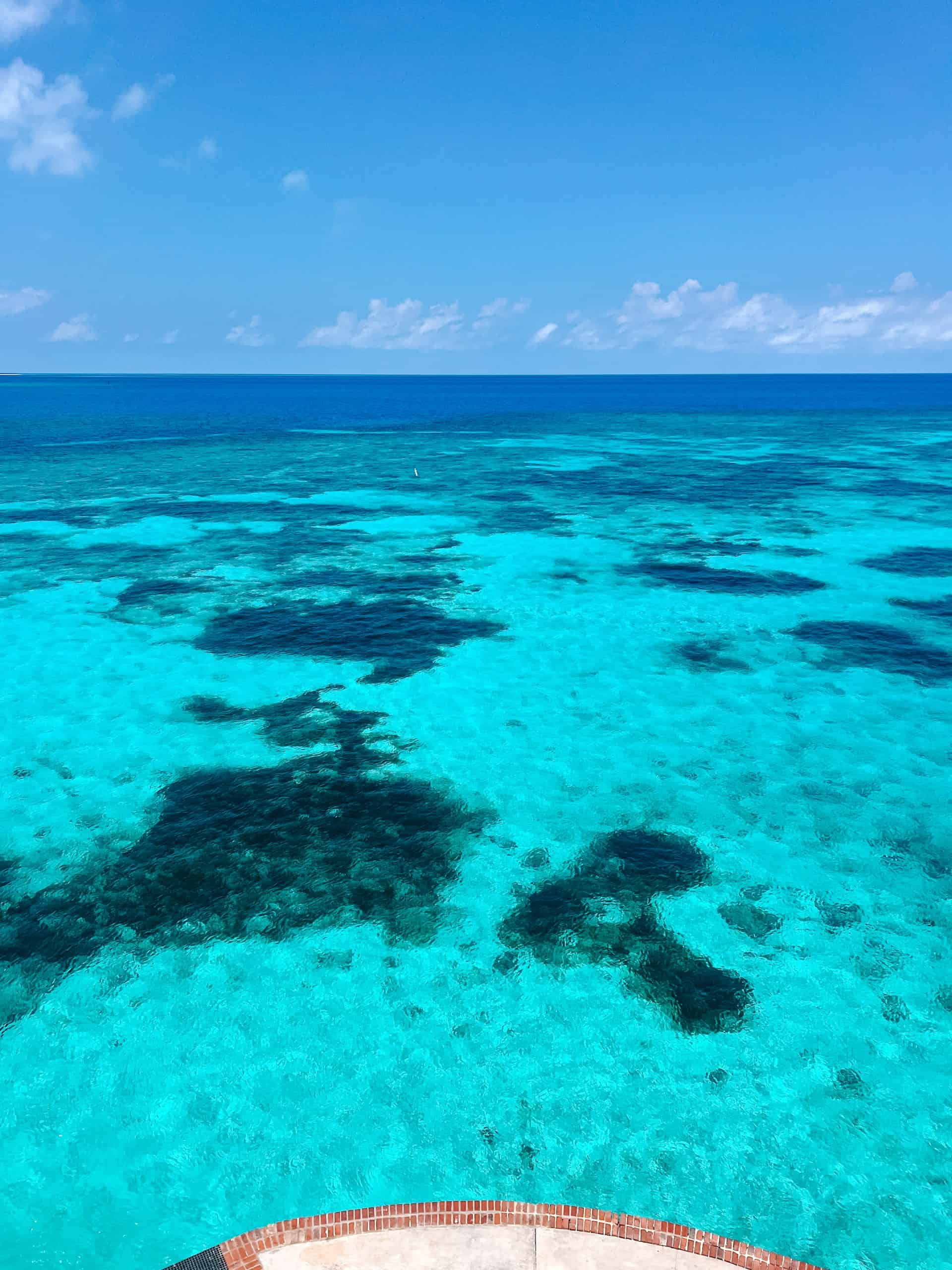
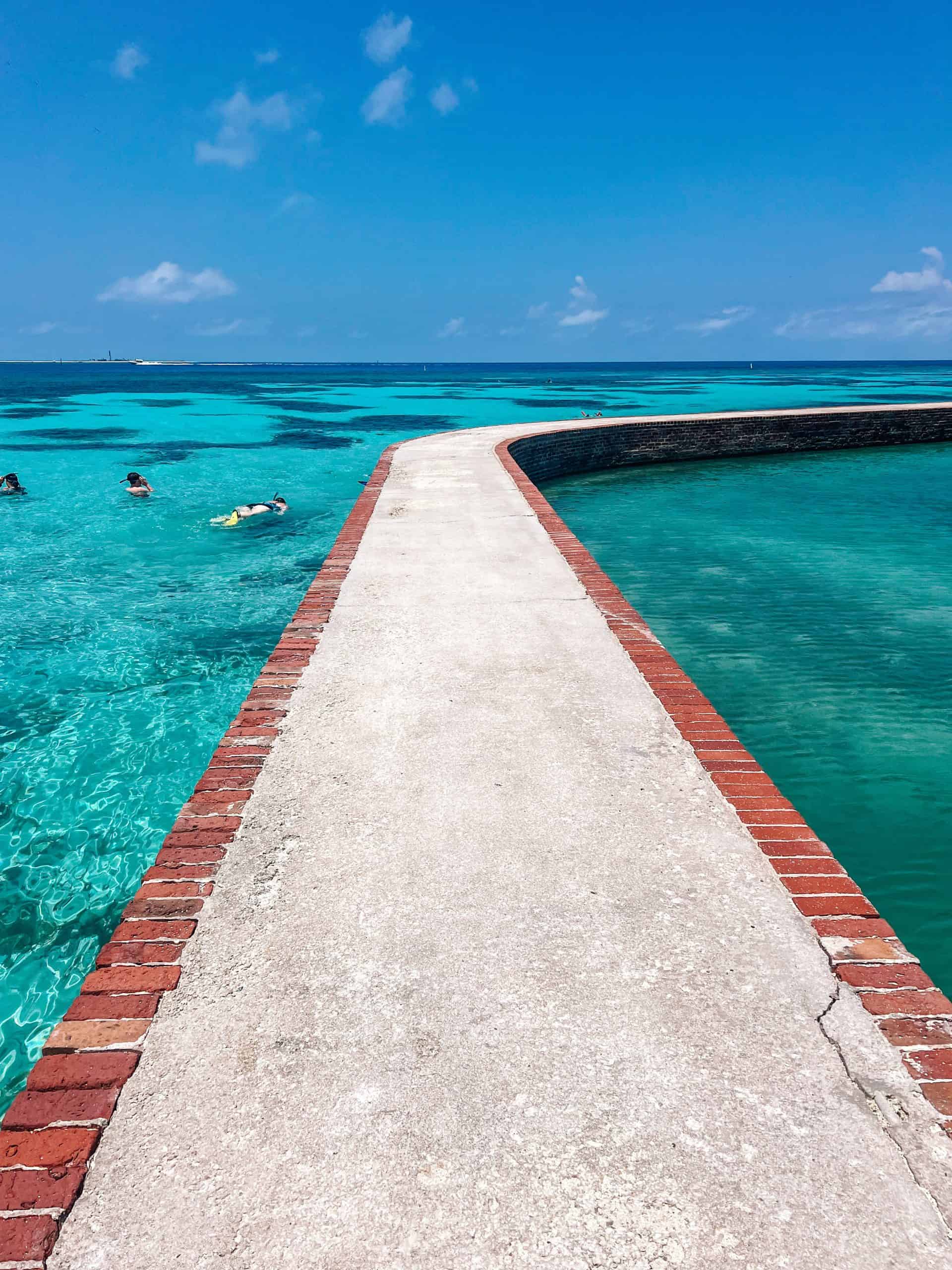
Take a day trip to Dry Tortugas National Park: One of Florida’s most unforgettable experiences, Dry Tortugas combines crystal-clear water, excellent snorkeling, and the historic Fort Jefferson. It’s one of my favorite day trips in the state and one of the coolest national parks in the country.
Visit Robbie’s of Islamorada: One of the most iconic stops in the Keys, Robbie’s of Islamorada is famous for feeding massive tarpon from the docks. You can also browse local shops, book fishing charters, or head out on other water adventures.
Go snorkeling or diving: The Florida Keys are home to the only living coral reef in the continental United States. Whether you’re snorkeling in Key Largo or diving one of the many reefs and shipwrecks, getting on the water is a must.
Spend time at the beach: While the Keys aren’t known for long stretches of sandy beaches, you’ll still find beautiful spots to relax, swim, kayak, and watch the sunset. Bahia Honda State Park is especially popular for its clear water and natural beauty.
Experience the water: Fishing, kayaking, paddleboarding, jet skiing, sailing, and sunset cruises are all popular throughout the Keys. It’s truly a boating destination, so spending time on the water is one of the best ways to experience the islands.
Explore state parks and nature: From Bahia Honda State Park to John Pennekamp Coral Reef State Park and the National Key Deer Refuge, the Florida Keys offer plenty of opportunities to enjoy Florida’s unique wildlife and ecosystems.
Watch the sunrise and sunset: Enjoying these small islands also means catching both the sunrise and sunset. Of course, if you’re not an early riser, the sunset is especially part of the Florida Keys experience. Watch the nightly celebration at Mallory Square in Key West or find a quiet waterfront restaurant farther up the Keys, it’s the perfect way to end the day.
Essential Florida Keys Travel Tips
Book accommodations early: The Florida Keys are one of Florida’s most popular destinations, and hotels can fill up months in advance, especially during winter, holidays, lobster season, and popular fishing tournaments. If you’re visiting between December and April, book as early as possible.
Travel insurance: Worth considering depending on your situation and how far you’re traveling. It can offer extra peace of mind, especially for international visitors, expensive trips, or during hurricane season.
What to pack:
- Reef-safe sunscreen
- Lightweight, breathable clothing
- Hat and sunglasses
- Swimsuit and beach attire
- Sandals or water shoes
- Comfortable walking shoes
- Reusable water bottle
- Waterproof phone case or dry bag
- Snorkeling gear (optional, though rentals are widely available)
Getting around: A car is the easiest way to explore multiple islands. Once you’re in Key West, however, it’s often easier to walk, bike, or use rideshares rather than dealing with limited and expensive parking.
Driving: The Overseas Highway is part of the Florida Keys experience, but traffic can be slow, especially on weekends, holidays, and after accidents since there is essentially one main road connecting the islands. Plan extra travel time and enjoy the scenic drive.
Tipping: Standard U.S. tipping applies. Around 18-20% is customary at restaurants, and tipping charter captains, fishing guides, snorkeling crews, and hotel staff is appreciated.
Credit cards & cash: Credit cards are accepted almost everywhere, but it’s still helpful to carry a small amount of cash for local businesses, food trucks, or tipping.
Cell service & WiFi: Most of the Florida Keys have reliable cell service and WiFi, but coverage can become less reliable in more remote areas or on boat tours. Download offline maps before your trip if you plan to explore beyond the main tourist areas.
Wildlife: Respect marine life and keep your distance from protected species like Key deer, sea turtles, and manatees. Never feed wildlife, and always follow local guidelines when snorkeling or boating.
-
Havana Cabana Hotel Review: My Honest Experience at this Key West Hotel
My friend and I headed to Key West for a long weekend and stayed at Havana Cabana, which ended up being a great choice overall! They offer shuttle service to downtown Key West, have a great pool area, and the beds were decently comfortable. The decor is Cuban inspired, but with that quirky Key West…
-
Is The Key West Butterfly Conservatory Worth Visiting? Honest Review
My friend and I visited the Key West Butterfly and Nature Conservatory on a trip to Key West recently. Neither of us knew what to expect or if it would even be worth it, but we were pleasantly surprised! The butterflies were plentiful, the flamingos were fun, and the whole experience was more magical than…
-
Dry Tortugas Day Trip by Ferry: My Honest Experience from Key West
I finally got to experience a Dry Tortugas day trip by ferry from Key West! Visiting this national park has been on my list a while, and it finally came together. When I booked the Yankee Freedom Ferry, I wasn’t sure what to fully expect. Yes, they give you the general schedule, but I still…
-
1 Day in Key West: Best Things to Do (Tested Itinerary)
Whether you’re on a cruise ship with a port stop, squeezing Key West into a longer Florida Keys road trip, or just want to maximize a quick getaway, here’s how to spend one perfect day in Key West without feeling rushed. I recently tested this exact itinerary and managed to hit some top attractions, eat…
-
The Perfect Weekend in Key West: 3-Day Itinerary
I just got back from what I would consider a perfect weekend in Key West, Florida. It had a day of exploring downtown Key West, a day trip to Dry Tortugas National Park, and a day to relax. I had good food (with the exception of one bad meal), fun experiences, sunshine, and of course,…
-
Key Largo Snorkeling Tour Review: My Experience at John Pennekamp Reef
Key Largo snorkeling trips are all about location. I’ve snorkeled in places like the Great Barrier Reef, Barbados, and Fiji and all are incredible in their own way. Barbados, for example, was more about swimming with turtles than exploring a coral reef. When it comes to Florida, snorkeling options vary a lot by region. Central…



Want to Explore More?
Check out my Florida Guides or start planning your USA trip!