
Banff.
Banff had been on my bucket list a while and it turns out was on the list of my siblings as well! My older sister was heading over from Australia and we all decided to meet in Banff.
The scenery exceeded my expectations and due to some health issues, the hikes were much more difficult than I had expected. However, the views were absolutely worth it and I completely understand why this is such a popular destination!

Not Sure Where to Start?


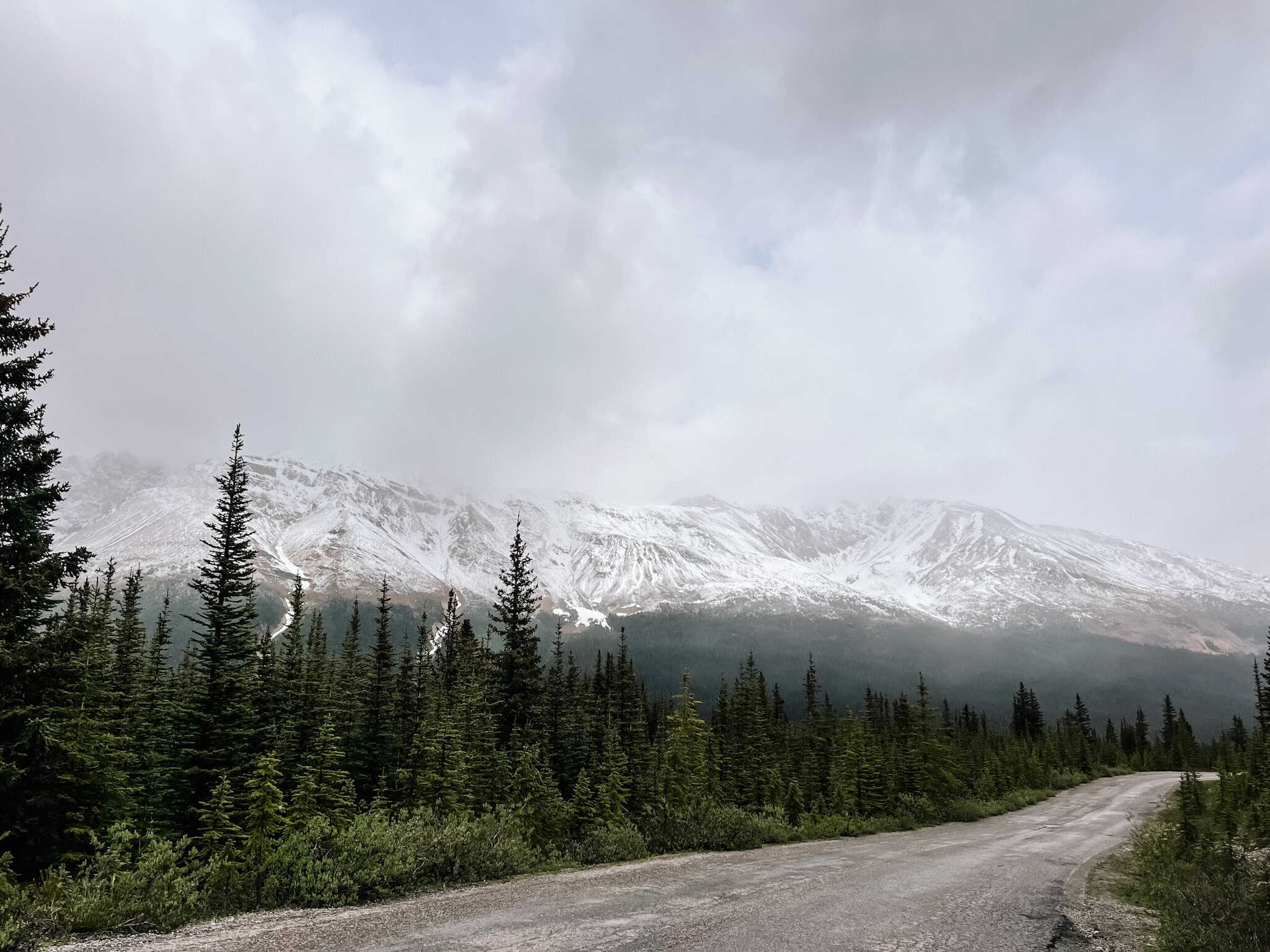

Banff Travel FAQs

How many days do you need in Banff?
I’d suggest at least 5 days in Banff to properly explore the area without feeling rushed, especially if you want to fit in a mix of hikes, lake visits, and time in the town itself. If you’re short on time, 3 days can still give you a solid taste of the highlights.
What’s the best time to visit Banff?
I visited in June and the weather was great for hiking, though some higher-elevation trails can still have snow that early in the season. Summer (June through August) is peak season for good reason, offering the most reliable weather and full access to trails and viewpoints.
Should I stay in Banff or Canmore?
Both have their advantages, and I break down the differences in Banff vs Canmore. Banff puts you in the national park, while Canmore tends to be quieter and more affordable, with easy access to Banff itself.
Do I need a car in Banff?
Having a car gives you the most flexibility for reaching trailheads and lakes on your own schedule, which is what my family and I did. There are shuttle and transit options or tours if you’d rather not drive, but I would consider a car the best option.
Is hiking in Banff difficult?
It depends on the trail. Some, like the walk to Lake Agnes Tea House, are moderate and manageable for most fitness levels, while others, like Sulphur Mountain, can be more strenuous. I go into detail on specific hikes in my individual trail posts so you can pick what matches your ability.
Is Banff safe for wildlife encounters?
Banff is bear country, so it’s worth knowing basic wildlife safety before you go, especially if you’re hiking. I never had a concerning encounter myself, but I’d recommend checking current trail advisories before you head out, since conditions and sightings can change. It is recommended to have bear spray when hiking, and you can rent it in Banff if you don’t want to purchase it.
Planning Your Banff Trip: Everything You Need to Know
When to Visit Banff
Timing your trip to Banff can impact the entire experience, since the landscape looks completely different from one season to the next. Whether you want turquoise lakes, mountain hikes, fall colors, or snowy scenery, there’s something special about each season. Here’s a quick look at what to expect.
Best time to visit: June, late August and September are great times to visit Banff with less crowds. The weather is good for hiking, sightseeing, and getting out on the lakes, with many trails and attractions fully accessible.
I visited the third week of June and the weather was great most of the week, with a random snow storm hitting the end of the week. There were crowds, but not overwhelming. However, Sunshine Meadows wouldn’t open for another week or two, so be sure to consider all the things you want to do. While most sites will be open, there may be some that won’t be ready yet.
Peak season: Summer (late June through August). This is when Banff is at its busiest, with warmest weather, accessible hiking trails, and popular lakes like Lake Louise and Moraine Lake at their most vibrant. Expect more visitors and higher accommodation prices, and plan ahead for popular attractions and activities.
Spring and Fall: Spring (April to May) and fall (September to October). These seasons can be a little unpredictable, but they offer the chance to experience Banff with fewer crowds. Fall is especially beautiful for the changing larch trees and better for most spots still being open. Spring can still feel quite wintry in the mountains depending on the elevation and a lot of spots may not be open.
Winter: December through February. Banff becomes a snowy mountain destination, making it a great choice for skiing, snowboarding, snowshoeing, and other winter activities. Temperatures can be very cold, but the snow-covered scenery is beautiful. If you’re visiting in winter, pack warm layers and be prepared for changing mountain conditions.
Getting to Banff
By Air: The closest major airport to Banff is Calgary International Airport (YYC), about 90 minutes from Banff by car. Calgary has direct flights from many major U.S. and Canadian cities, making it the most convenient airport for most visitors. There are no commercial flights directly into Banff.
By Car: Driving from Calgary to Banff is straightforward and takes about 1.5 hours without stops. The route along the Trans-Canada Highway is scenic almost immediately, and having a car gives you more flexibility to explore Banff National Park, especially if you want to visit places outside the town of Banff.
By Shuttle: If you don’t want to rent a car, several shuttle services connect Calgary International Airport with Banff. This can be a convenient option if you’re primarily staying in Banff and don’t plan to drive around the park.
From the airport: If you’re flying into Calgary, you can rent a car at the airport or arrange a shuttle directly to Banff. Once you’re in Banff, you can use local buses and other transportation options to get around, although having a car gives you more freedom for exploring the surrounding area.
Budget tip: Try to avoid peak season (late June through mid-August) for better prices. Ultimately timing will be the best way to save money. If you do visit in Peak Season, book early.
Getting Around Banff
Having a car is the easiest way to get around Banff National Park, especially if you want to visit multiple lakes, hiking trails, and viewpoints. However, it’s possible (though less ideal) to enjoy your trip without renting a car if you plan around the available shuttles and tours.
Car rental: This is the best and most flexible option for exploring Banff and the surrounding national park. A car makes it easier to visit places like Lake Louise, Moraine Lake, and other scenic stops on your own schedule. Just keep in mind that parking can be limited at some of the most popular attractions, particularly during the summer. Despite some parking limitations at places like Moraine Lake, I still consider a car the best way to get around Banff.
Shuttles: Banff has several shuttle options for popular destinations, making it possible to visit some of the park’s highlights without driving yourself. These are especially useful for places where parking is limited or restricted. You’ll want to check schedules and book ahead during the busy summer season.
Tours: Guided tours are another convenient option if you don’t want to deal with driving or planning transportation yourself. There are tours from Banff that visit popular attractions throughout the park, and some combine several stops into one day.
Walking: The town of Banff itself is very walkable, with restaurants, shops, and many accommodations located within a relatively compact area. However, walking isn’t practical for getting to most of the major natural attractions outside town.
Public transit: Roam Transit operates buses throughout the Banff area and can be useful for getting between Banff and some popular destinations. It can be a good option if you’re staying in town and don’t have a rental car, although you’ll need to plan around the routes and schedules.

Where to Stay in Banff
Where you stay can make a big difference in a Banff trip, especially if you want to balance convenience, scenery, and price. Banff itself is the most convenient base for exploring the national park, but Canmore is another popular option just outside the park and is worth considering.
Banff – Best for convenience: Staying in the town of Banff puts you close to restaurants, shops, trails, and transportation, while also giving you easy access to many of the park’s main attractions. It’s the obvious choice if you want to be in the middle of everything and don’t mind paying more for that convenience.
Booking tip: Summer is Banff’s busiest season, so accommodation can fill up quickly and prices are typically higher. If you’re visiting between June and September, I recommend booking as early as you can. Canmore can give you another option if Banff accommodations are limited or outside your budget.
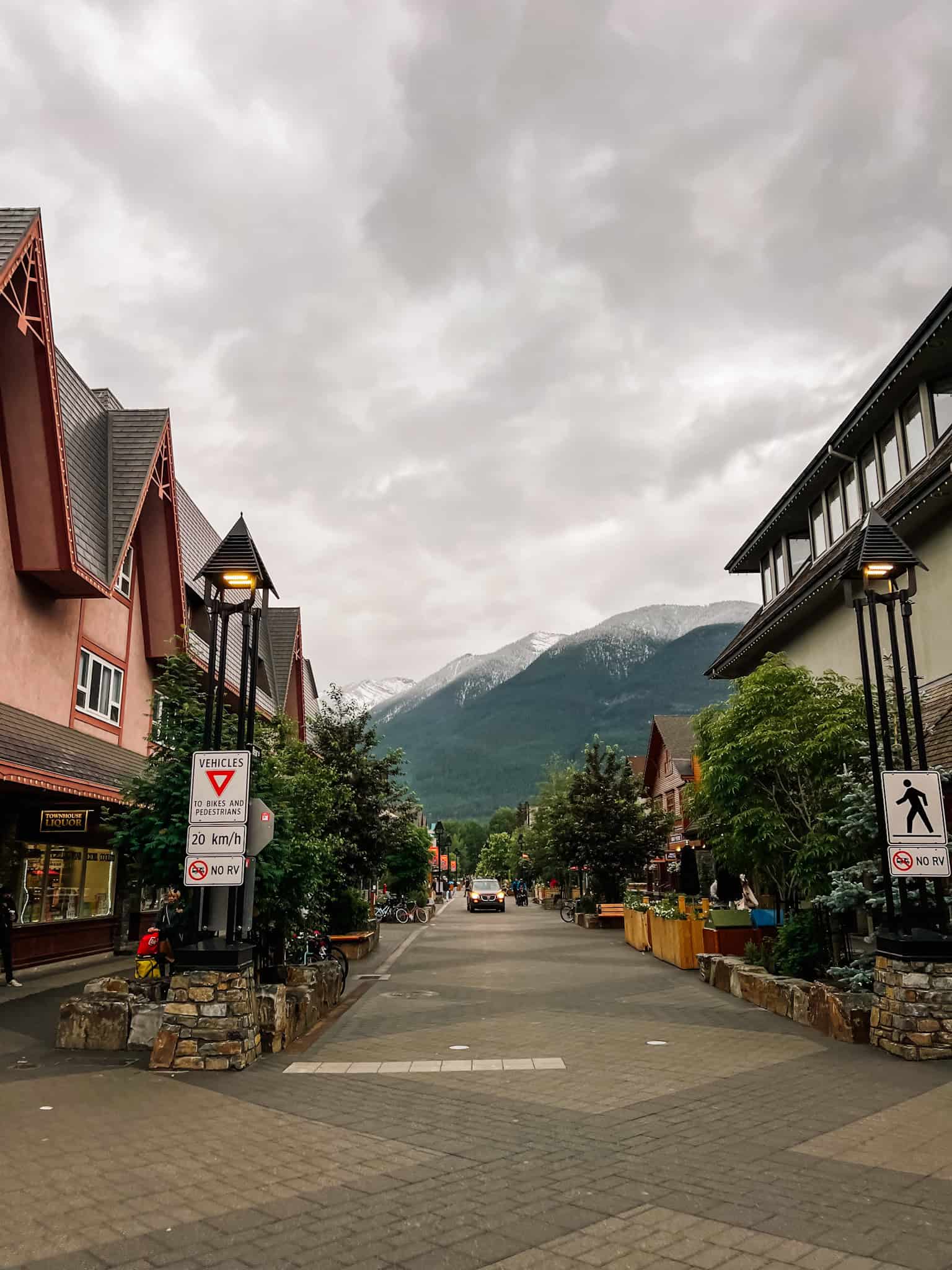
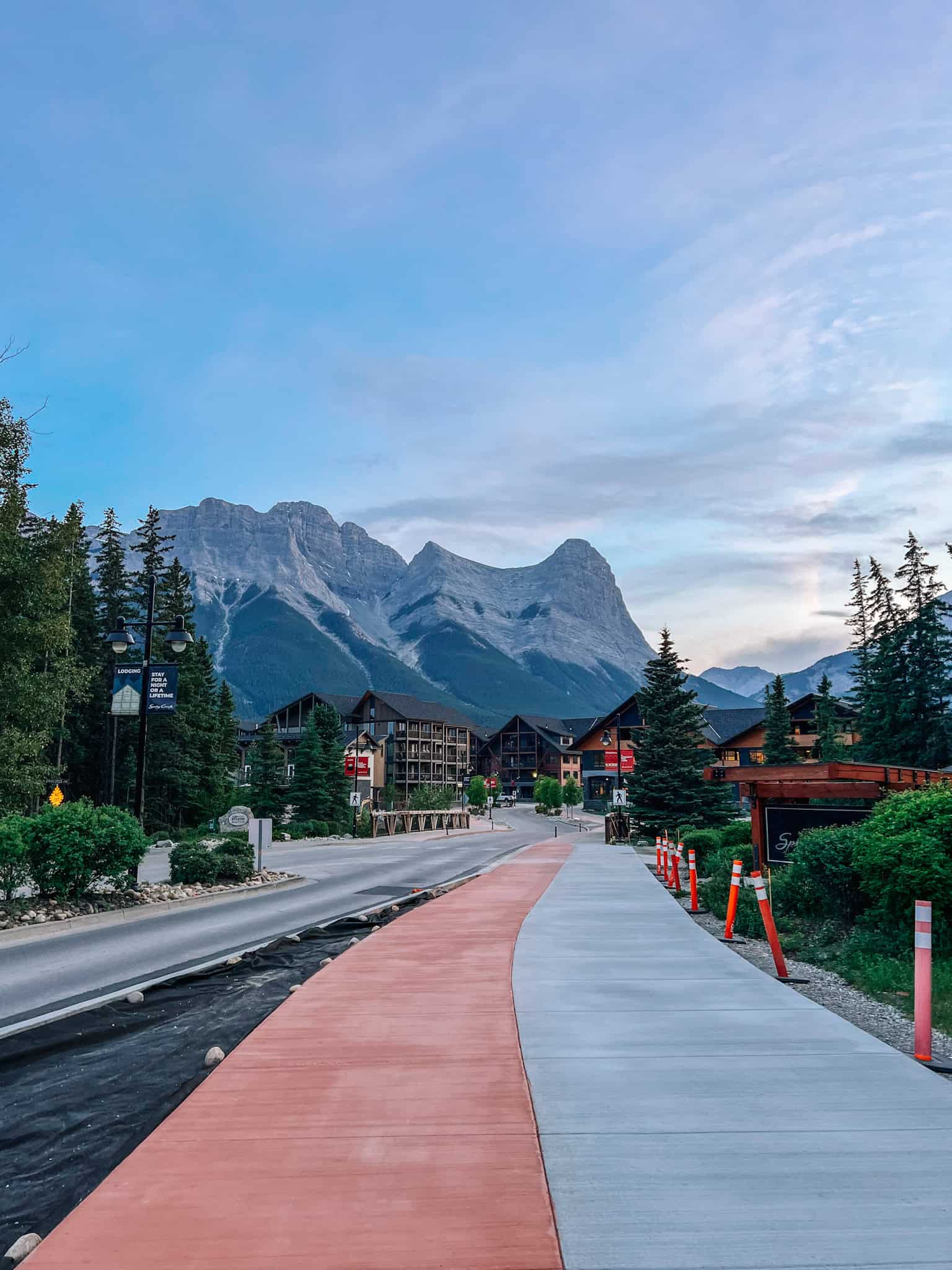
Canmore – A great alternative: Canmore is about 20–30 minutes from Banff and is where I stayed during my trip. It’s a mountain town in its own right, with beautiful views, restaurants, shops, and plenty of accommodation options. Prices can sometimes be more reasonable than staying in Banff, although you’ll need to account for the extra driving time and the fact that Canmore is outside Banff National Park.
Staying inside the park: There are also accommodations outside the town of Banff, including properties closer to popular areas such as Lake Louise or Moraine Lake. These can be convenient if you’re planning to spend a lot of time in that particular part of the park, but you’ll generally have fewer restaurants and amenities nearby.
Hotels vs. unique stays: Banff and Canmore both have everything from traditional hotels to condos, lodges, and vacation rentals.
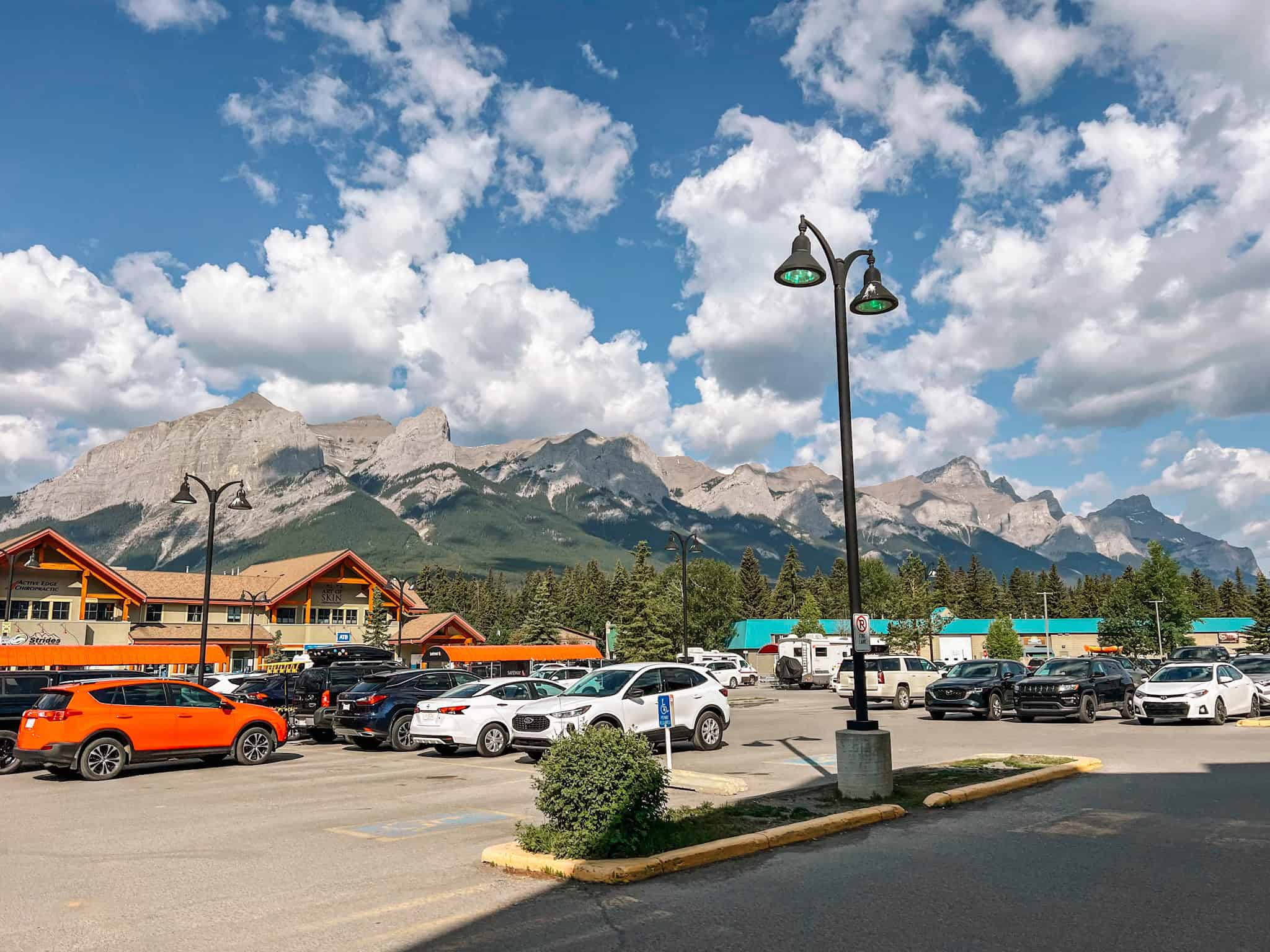
Where I Stayed in Canmore: I stayed in Canmore rather than Banff and really enjoyed having a quieter mountain-town base after a day of exploring. We were also a large group looking for one rental and we found more options in Canmore. You can read more about the differences between the two in my Banff vs Canmore guide.
Top Things to Do in Banff
Visit Lake Louise: Lake Louise is one of the most iconic stops in Banff, and seeing that turquoise water surrounded by mountains really does live up to the hype. We visited in the morning and spent most of the day here, including the Lake Agnes Tea House hike and a stop at the Fairmont Chateau Lake Louise. If you’re planning your own visit, check the current shuttle and parking rules before you go.
Hike to the Lake Agnes Tea House: This was one of my favorite experiences of the trip. The hike climbs from Lake Louise to Mirror Lake and then up to Lake Agnes, where you can stop at the historic tea house for tea and a treat. We continued on to the Little Beehive afterward for even more mountain views. I found the hike challenging, but taking it at my own pace made it manageable. I go into much more detail in my guide to the Lake Agnes Tea House hike.
See Moraine Lake: Moraine Lake is another Banff icon, and visiting it was high on my list even though the weather didn’t cooperate for the sunset we had planned. We booked a Moraine Lake sunset tour from Canmore, which gave us a chance to see the lake without worrying about driving or parking. The rain actually meant we had the lake almost entirely to ourselves, which turned into a pretty memorable experience.
Explore Downtown Banff: Give yourself some time to wander through downtown Banff. There are plenty of shops, restaurants, coffee shops, and places to stop for a treat, and it’s a nice change of pace after spending hours hiking or driving through the park. We spent part of one day simply exploring the shops and getting advice from the visitor center before heading out on a scenic drive.
Drive the Icefields Parkway: If you have the time, don’t miss the Icefields Parkway. The drive itself is beautiful, but there are plenty of places to stop along the way. We visited Mistaya Canyon, Waterfowl Lake, Peyto Lake, and Bow Lake during our drive. I especially loved Waterfowl Lake and Bow Lake, although every stop had something different to offer.
Visit Bow Falls: Bow Falls is an easy stop close to downtown Banff, so there’s no need to dedicate an entire day to it. The falls themselves aren’t enormous, but the surrounding Bow River and mountain scenery make this a worthwhile quick stop.
Take a Scenic Drive to Lake Minnewanka: Lake Minnewanka and Two Jack Lake are both easy to reach from Banff and make for a relaxing alternative to another hike. We visited on a cloudy day and still loved the scenery. If you have good weather, you can also look into a Lake Minnewanka cruise.
Ride the Banff Gondola or Hike Sulphur Mountain: We chose to hike up Sulphur Mountain and take the gondola back down, although some of my family members hiked both ways. The hike was much more strenuous for me than I expected, but the views from the summit were worth the effort. If you don’t want to hike, you can simply take the Banff Gondola to the top and enjoy the viewpoints.
Visit Takakkaw Falls: Takakkaw Falls is technically in Yoho National Park rather than Banff National Park, but it’s an easy addition if you’re already visiting the Lake Louise area. We drove over after our Lake Louise and Lake Agnes day, and the falls were especially impressive with all the snowmelt in June.
Explore Canmore: Canmore isn’t technically in Banff National Park, but it’s worth exploring if you’re staying there like I did. The town has its own mountain scenery, restaurants, shops, and outdoor activities. We spent several evenings in Canmore during our trip, and I really enjoyed having it as our home base.
Take a scenic drive through the park: You don’t have to spend every day hiking to enjoy Banff. Some of my favorite moments were simply driving through the park and stopping whenever a beautiful lake or viewpoint caught our attention. With mountains seemingly everywhere you look, even the drive between destinations can feel like part of the experience.
For the full day-by-day breakdown, including what we did, what I’d change, and the experiences I couldn’t fit in, see my 5 Days in Banff Itinerary.
Essential Banff Tips
Book accommodations early: Banff is a popular destination, particularly during the summer months. If you’re visiting between June and September, don’t wait until the last minute to book. Canmore is another option if accommodations in Banff are limited or you want to compare prices.
Don’t underestimate the weather or elevation: I visited in mid-June and experienced everything from relatively comfortable temperatures to rain and actual snowfall. Coming from Florida, I was definitely not expecting snow in June! Also, Banff sits at a much higher elevation than many travelers are accustomed to, and you’ll notice it more on hikes. I definitely felt the elevation during my Sulphur Mountain hike. If you’re coming from sea level like I was, give yourself some grace and don’t feel like you have to keep up with everyone else.
What to pack for Banff in summer:
- Lightweight layers
- Rain jacket
- Hiking pants/leggings
- T-shirts or tanks
- Shorts
- Dinner outfits (Banff is quite casual)
- Hat & sunglasses
- Hiking boots or shoes
- Daypack
- Refillable water bottle
- Bear spray (or rent it in Banff)
Check out my full guide on What to Pack for Banff in Summer.
Plan transportation to the popular lakes: Don’t assume you can simply drive up to Lake Louise or Moraine Lake and find a parking spot. Access rules and parking availability have changed. Check the current Parks Canada information and consider booking a shuttle or tour in advance.
Download maps before heading into the park: Cell service isn’t available everywhere, particularly on longer drives such as the Icefields Parkway. Download maps ahead of time so you’re not relying on a signal when you’re out exploring.
Give yourself more time than you think: Banff looks manageable on a map, but the distances between attractions add up quickly. Scenic stops, parking, hikes, and crowds can all take longer than expected. I found that having a flexible itinerary worked better than trying to squeeze too much into each day.
Buy your park pass: You’ll need a Parks Canada pass to visit Banff National Park. If you’re spending several days exploring the park, look at the current daily and discovery pass options to see which makes the most sense for your trip.
Have travel insurance: Travel insurance is worth considering for a trip like Banff, particularly if you’re flying internationally or planning expensive tours and accommodations. Weather can affect flights and mountain activities, and having coverage can provide some extra protection when plans don’t go as expected.
-
Sulphur Mountain Hike vs Gondola: My Honest Review After Doing Both
When I added the Sulphur Mountain hike to our June Banff itinerary, I knew it was a tough hike, but I didn’t know my current health issues would make it that much harder! Regardless, my siblings, their families and I all hiked up Sulphur Mountain on our first full day in Banff. As someone born…
-
Lake Agnes Tea House Hike: The Ultimate Beginner’s Guide to This Stunning Trail
My siblings, their families, and I enjoyed a week in Banff National Park this summer! It was on our bucket list for a while and I can confirm it delivered! During our 5 full days in Banff, we planned to spend some time at Lake Louise and decided to add the Lake Agnes Tea House…
-
Banff vs Canmore: My Honest Review + Hotel & Town Comparison
When it comes to Banff vs Canmore, the winner will ultimately depend on what you are looking for, your group size, and your budget! Both are great options, so it will just come to down to your needs and preferences. We’ll review various categories and considerations to help you make the best decision for your…
-
Sunset at Moraine Lake: Evening Tour and Why the Bad Weather Didn’t Ruin Everything
When planning my trip to Banff, I reached out to a friend in Calgary. She offered some great tips and one was to see the sunset at Moraine Lake! The rules to get to Moraine Lake have changed in recent years, so we booked a sunset tour to Moraine Lake to keep it easy. Even…
-
What to Pack for Banff in Summer: Canadian Rockies Packing List for a Great Trip
Considering what to pack for Banff in summer is very different from where I live in Florida. I enjoyed a trip with my family and I’m happy to share what I packed that was needed and what could have been left behind! I’ll also share some other considerations to assist you as you pack for…
-
5 Days in Banff Itinerary: The Perfect Canadian Rockies Adventure
My siblings and I reunited and spent 5 days in Banff! My sister lives in Australia but would be traveling in the US and Canada, so we all decided to meet up in Banff. This destination has been on all of our lists and I can confirm the scenery lived up to my high expectations!…


Want to Explore More?
Check out more Canada Guides or start planning a European Adventure!