Garmin vívoactive 5 Review (2026): Worth It After 2 Years of Use?
Updated August 2026
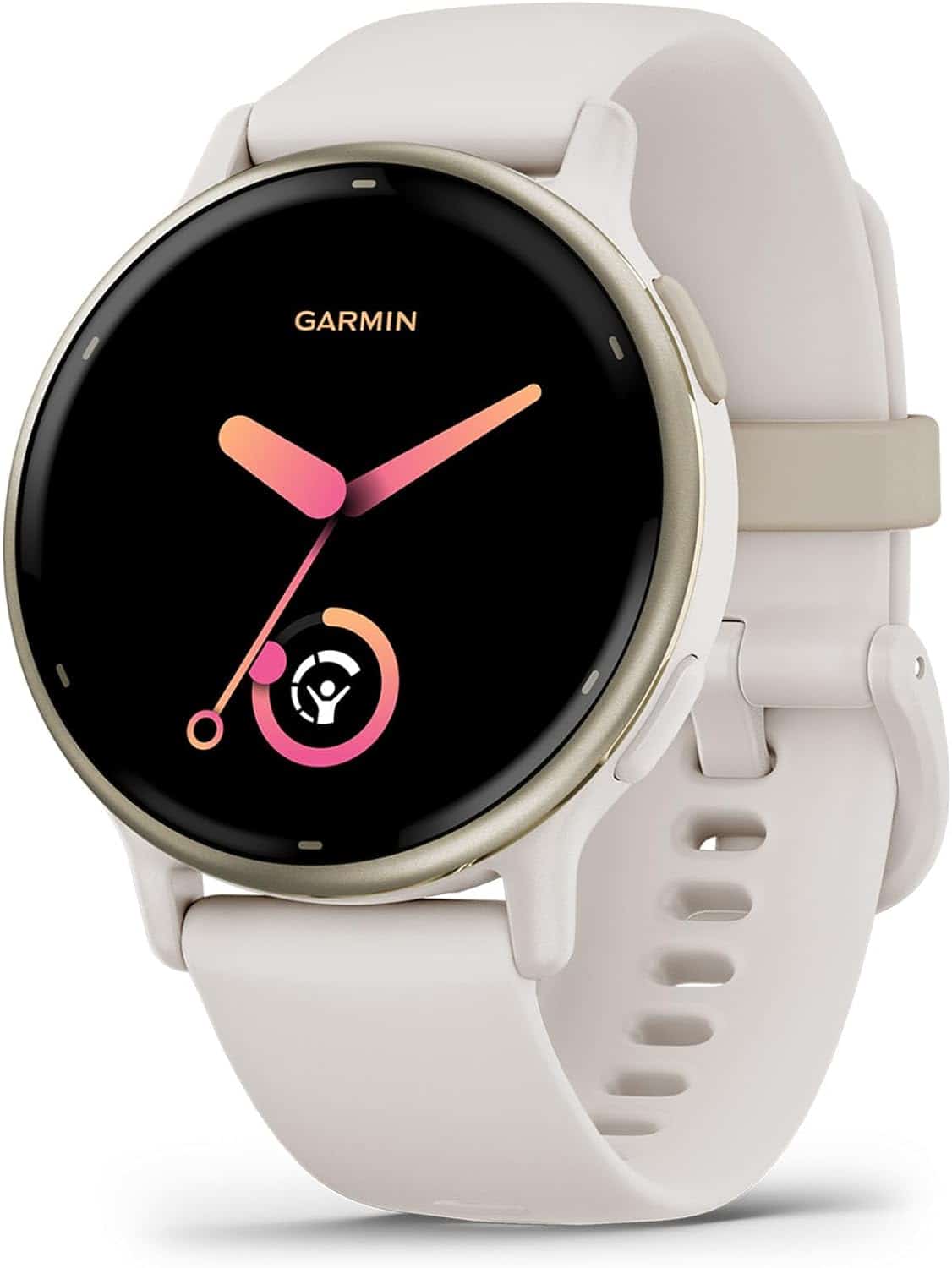
I’ve owned the Garmin vívoactive 5 since January, 2024. This Garmin vívoactive 5 review includes why I bought it, other options I considered and my experience owning and using it. Smart watches are an investment, but this is one I’m so glad I made!
The HRV data has been the most interesting to me, but overall it has really helped me in my quest to find healthy habits worth keeping, seeing how my body responds to workouts and monitoring my sleep quality!

Disclaimer: I’m not a doctor, and the health experiences shared in this review are based on my personal use of this device. This content is for informational purposes only and should not be taken as medical advice. Always consult with a qualified healthcare provider for anything related to your health.
Quick Summary
|
Why I Wanted a Health Tracker |
Needed a way to track health after two fractures; goals include fat loss, muscle gain, recovery monitoring, and eventually managing a thyroid issue. |
|
Options Considered |
Whoop (monthly fees), Fitbit (style/features), Apple Watch (daily charging); chose Garmin for superior battery life and round face design. |
|
Features I Love |
Battery Life: Lasts a week or more with heavy use. Sleep Tracking: Detailed sleep score, REM/deep sleep analysis and coaching. Workout Tracking: Rep counting, heart rate recovery, rest vs. work time summary. GPS Tracking: Bike rides, walks — tracks speed, distance, elevation and heart rate. SUP Mode: Tracks stroke pace and distance. Pickleball & Soccer Modes: Tracks intensity minutes and recovery. HRV Tracking: Key health metric showing steady improvement over time. Recovery Insights: Watch recommends recovery time based on exertion. |
|
Cons |
Step count inaccurate during lawn mowing; text message notifications persist despite being turned off. |
|
Conclusion |
An excellent long-term fitness investment with advanced health tracking, outstanding battery life, and versatile sport modes — ideal for anyone ready to go beyond basic step counting. |
Why I Wanted a Health Tracker
I wanted a health tracker as a way to track improvements in my journey. In 2020, I fractured my foot and a year and a half later, I fractured my tibia by my knee. As I sat around for ten weeks with a broken knee, I knew something had to change.
Though I grew up playing soccer, I had only done low or no impact workouts for at least a decade. In addition, I had not been eating enough protein and was losing muscle. None of these things had I noticed at the time, but after two fractures, I knew something had to change and began to examine how I ended up with two fractures in less than two years.
I began eating more protein and rehabbing my knee. All was going well until one day, I began doing too much! My knee kept swelling every time I tried to push it. This led me to physical therapy and my overall activity level had to diminish.
Though I had started to build muscle, I was also gaining fat. A perfect storm of not being able to get in more walks due to my knee, but having to eat more protein to build muscle (actually some hormonal changes were probably the real issue, and Geviti ended up helping me a lot!).
As my knee began to improve, my activity levels could as well. However, I wanted to lose fat but keep the muscle I gained. I also wanted to continue increasing my activities and intensity. Nutrition is still something I’m sorting out, as I want enough energy to do the things I want to do, but also eat in a deficit to lose fat.
With the goal of losing fat, but gaining strength and athleticism, I wanted to start tracking my progress so I could pinpoint trends and improve my health. And also celebrate those small wins along the way!
The data from this Garmin vívoactive 5 watch actually did help me after joining Geviti. I got my bloodwork done and they offered coaching and supplements based on my results! Read more about my experience here: Geviti Review: My First Year with This Personalized Health Program
What Options Did I Consider
Health watches and trackers are plentiful, so narrowing down what I wanted from a tracker was vital. Step counts are common and not the main draw for me. I wanted to track my sleep, my HRV, and be able to notice improvements in my overall health over time.
Whoop
I considered whoop rather heavily. It’s a fantastic tracker and a lot of athletes endorse it. Ultimately, I didn’t want to pay a monthly fee to access the data! This is why I did not choose whoop as my first fitness tracker.
Fitbit
I did not consider Fitbit for long because I just didn’t like it. The look wasn’t my favorite for one, and I wanted more sporty features.
Apple Watch
In the end, it really came down to Apple versus Garmin. My sister loves her Apple Watch and all the health features I’d want were also available in the Apple Watch. I also have an iPhone which would integrate seamlessly. However, I did not care about using the watch for calls or texts. In fact, I wanted to avoid that at all costs since I want to be less connected to my phone, not more. However, my sister said her watch has given her more freedom to not be as attached to her phone so this is based on your own habits.
So Why Garmin Instead of Apple?
The reasons I chose Garmin over Apple come down to two points. One, I just preferred the round face. Nothing major and not a deal breaker either way. Second and ultimately main reason I chose Garmin, the battery life is exceptionally better on the Garmin.
I asked my sister about her battery life just to confirm, and she agreed that she charges her Apple Watch daily. While this isn’t a concern for her, I knew I wanted to increase my activities and didn’t want to be concerned with my Apple Watch not keeping up for hours of being on a walk or bike ride.
Check out the Garmin vívoactive 5 on Amazon
Features I love on my Garmin vívoactive 5
Battery Life
I’m not sure any Garmin vívoactive 5 review will fail to mention the battery life. It is stellar! I lose track of needing to charge it because it takes a week or more before I need to do so. This is even normal weeks where I track three or four one-hour lifting workouts, a bike ride or two, and walking or cardio workouts. The battery is so impressive! And when it does need to charge, it doesn’t take more than a couple of hours!
Sleep Tracking
Sleep is such an important part of recovery and health. I wanted to begin tracking my recovery and love the features in this watch. There’s a sleep coach and a sleep score to help you track and analyze this important method of recovery and health. When I wake up, my watch will tell me if I didn’t get enough REM or deep sleep.
There are days I wake up feeling great, but my sleep score was poor. However, other days when I can feel the fatigue, it matches up with my watch’s indicators.
Any watch is just a tool and shouldn’t be the reason you do or don’t do a hard workout. However, the information received over time can be super helpful!
Tracking Workouts
I love tracking my workouts. You can add your workout to the app for even more accurate feedback, however, I have never bothered. I simply track my reps and I’m able to keep rest times appropriately and track my heart rate recovery between sets.
The watch also counts my reps! Sometimes the rep count isn’t accurate depending on the exercise move, but it’s easy enough to change it as needed. Once I’ve completed the workout, it gives me a summary of rest time versus work time and total time spent in your workout.
GPS Tracking Workouts
When I first bought this watch, I did not own a bike, but knew I might invest in one eventually. Well, I now have a bike and love having this watch! It tells me my speed, heart rate, and the GPS tracks my path. At the end, I get an average speed, total miles, and time allowing me to aim for improvement. Once in the app, I can see changes in my heart rate over the ride and also elevation, which isn’t significant in Florida, but still cool to notice.
I’m still working on getting my knee up for a run, but this watch tracks walks and steps well! I find the steps to be accurate for the most part. Yes, I have counted.
However, the area I’ve noticed it’s not tracking is when I mow the lawn. Yesterday I mowed and decided to GPS track it as a walk. Normally, the steps are counted during GPS walks and you will get the goal achieved alert if you meet your steps goal. Well, I mowed yesterday and the watch tracked 1.87 miles, but my step count barely changed.
The watch doesn’t always require arm swinging to count steps so I’m not sure why there’s such a disconnect there. However, if I put the watch in my pocket or even sports bra it will count the steps. Perhaps my hand is just too still for it to track?
Standup Paddle GPS Tracking
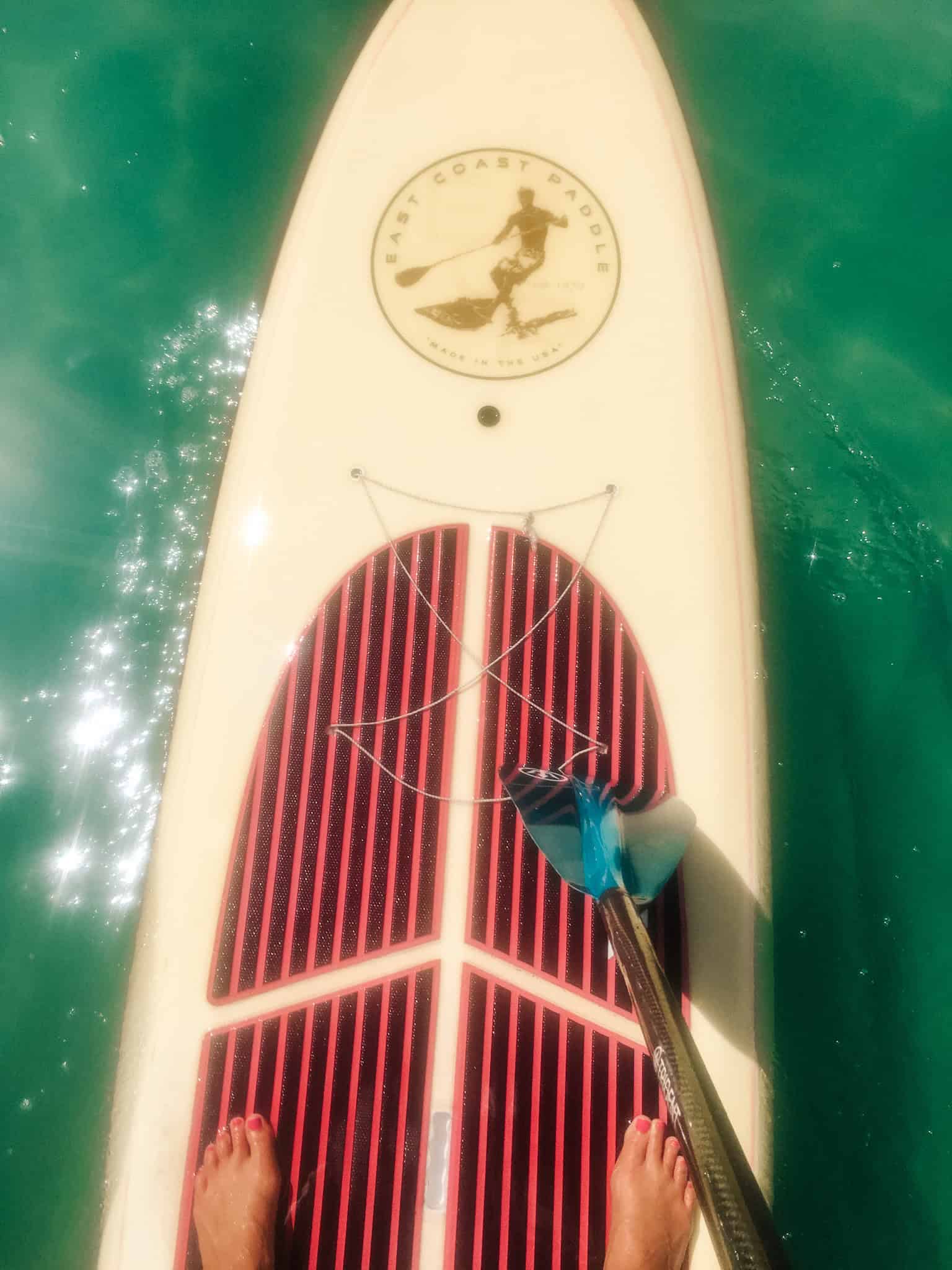
There are a ton of sports modes available but as someone who has paddle boarded for about fifteen years, my Garmin vívoactive 5 review would be lacking if I didn’t mention the SUP mode. I’ve used the SUP GPS tracking a few times now!
With the watch, it gives me stroke pace, distance and, of course, time. I love finishing a paddle and knowing the distance I’ve gone as I’ve never tracked my paddles before. Though I usually paddle for a chill workout, I still find the information interesting to know!
Pickleball Tracking
I’ve been playing pickleball weekly, so it’s fun to turn my watch to the pickleball mode and track the workout! It’s not interesting overall, but it’s helpful for tracking the moderate versus rigorous intensity minutes.
Soccer Tracking
While my knee can’t handle sprint workouts just yet, I have loved being back on the field. I’m amazed by how much muscle memory I have from my teenage years of playing, but also eating plenty of humble pie realizing there’s not enough muscle or endurance.
Tracking my wall passing, dribbling, juggling, and shooting has made me so aware of how much effort it actually takes. Twenty minutes passing with a wall keeps my heart-rate up and singles pickleball doesn’t come anywhere close!
My hip muscles were also exhausted after simple wall passing, which was just another slice of humble pie. Regardless, I’m loving keeping track and I’ve already noticed how I’ve improved in fitness over these months and how my recovery has improved!
Recovery Insight
One example, after taking time off over Christmas, I returned to weight training and my weekly soccer. Well after one weight training, not two, and one soccer afternoon, my Garmin vívoactive 5 actually told me I needed 82 hours of recovery!
Now that I’m a couple months past that time, my recovery is around a day! I can also see an improvement in the intensity minutes number as I’m starting to get fitter and work harder to get the same number of minutes logged.
Heart Rate Variability
One measurement the Garmin vívoactive 5 provides that I have come to follow the most is HRV or heart rate variability. I’m still learning about this, but it’s one of the best indicators of improved health or of things that would disrupt your health.
My HRV has steadily improved since I got this watch and I am thrilled about it! Though, I still have so much more improving to do, the whole point of me getting the Garmin vívoactive 5 was to track progress. Since HRV is not something you see, it’s nice to know that I have some health markers moving in the right direction!
HRV Improvement
While there are many things that impact HRV, I recently implemented some small changes and couldn’t believe the improvement I saw in my HRV overnight! The connection between blue light and heart rate variability makes sense, but I didn’t expect a 14 point improvement immediately!
Read More: Blue Light and Heart Rate Variability | The Surprising Way I Boosted My HRV Overnight
HRV Decline
While I’ve been happy to see my HRV improve, I recently watched it plummet! I joined Geviti and the blood test results suggest Hashimoto’s (an autoimmune disease of the thyroid). I was happy to have answers to how I’d been feeling for a couple years, but didn’t expect the HRV score I worked so hard to improve, I’d also watch plummet in a matter of days.
There was a two week period when I did too much physically, then I cut gluten as suggested to me. Once I cut gluten, I realized coffee aggravated my gut, so I cut it out. Then my body crashed and my HRV plummeted 40 points! While my HRV is slowly starting to improve again, this metric continues to help me in this health journey!
Cons of Garmin vívoactive 5
As mentioned, the step count is usually quite accurate, but not having my steps count when I mow annoys me.
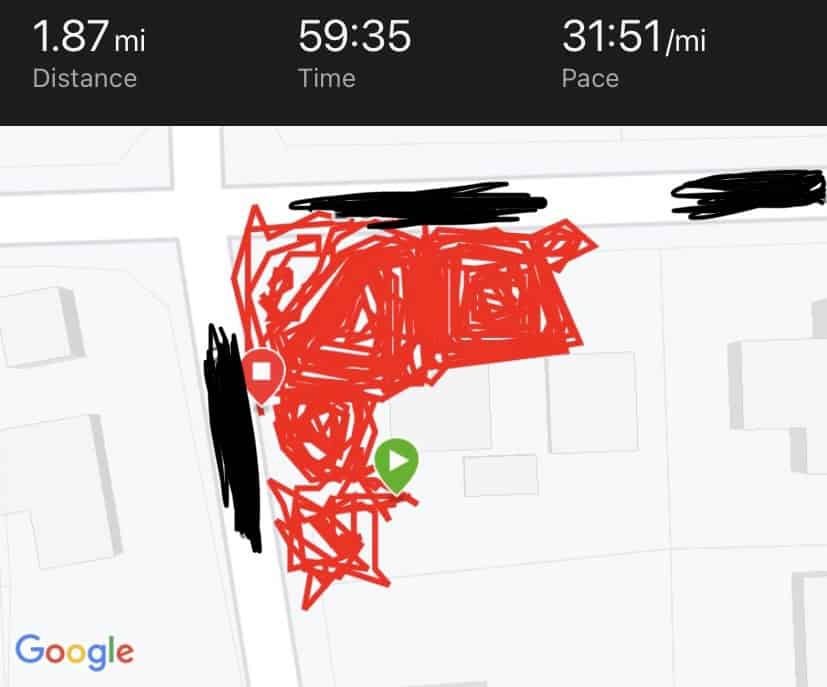
My phone gives me over 4,000 steps for about 45 minutes of mowing, but my watch barely increases in steps! I’ll put the watch on a walk setting where the GPS tracks, but even then my step count won’t move. As you can see on the screenshot, I’m zig zagging all over my yard, but my step count barely changed.
I was told to put my watch in my pocket when I mow and that does count the steps, but it won’t keep track of other markers such as heart rate.
It’s also worth noting, I don’t use it for text messages. I do get notified if I receive a text message during a workout. This feature has been turned off, so I’m not sure why it keeps happening. This was not a selling point for me, so I shouldn’t really comment either way since I don’t use it.
Is the Garmin vívoactive 5 Right for You?
If you’re wanting an upgrade from basic tracking of steps, the Garmin vívoactive 5 is perfect! It’s great for sporty endeavors, the battery life is fantastic, and it offers really good metrics for your health. It’s also great if you relate to any of these stages in life:
You’re returning to fitness after an injury or health setback and want data to guide you without overdoing it. The recovery insights and HRV tracking are genuinely useful for knowing when to push and when to rest.
You’re an active woman who wants a fitness watch that keeps up with your lifestyle, whether it’s paddle boarding, hiking, pickleball, cycling, or soccer without needing to charge it every night. My friend, who is a working single mom, also made the switch from Apple Watch and loves the Garmin!
You’re trying to improve your health markers over time, not just count steps. If sleep quality, HRV trends, and workout intensity matter to you, this watch delivers.
You want a long-term investment. The Garmin vívoactive 5 has enough features that you won’t outgrow it quickly, and it’s built to last.
Not For You?
It’s probably not for you if you want seamless iPhone integration for calls and texts. Also, if you need advanced running metrics like ground contact time or stride length then a higher-end Garmin would serve you better.

Frequently Asked Questions
Is the Garmin vívoactive 5 worth it in 2026?
Yes! Especially if you’ve owned it for a while and are still discovering features. After two years of daily use, it continues to provide meaningful health data including HRV trends, sleep coaching, and recovery insights. For the price point it’s one of the best entry-level fitness watches available.
Garmin vívoactive 5 vs Apple Watch — which is better?
It depends on your priorities. The Apple Watch integrates more seamlessly with iPhone and is better for notifications and apps. The Garmin vívoactive 5 wins on battery life (a week or more vs daily charging), outdoor sport modes, and long-term health trend tracking like HRV. If fitness and adventure are your focus over connectivity, Garmin is the stronger choice.
How accurate is the Garmin vívoactive 5 HRV tracking?
It’s accurate enough to identify meaningful trends over time, which is ultimately what matters more than any single reading. Daily HRV fluctuations are normal, which is why the pattern over weeks and months has more value. I’ve seen my HRV respond noticeably to lifestyle changes like reducing blue light exposure and dietary adjustments, which aligns with what the research suggests.
How long does the Garmin vívoactive 5 battery last?
In real world use with multiple tracked workouts per week, GPS use, and sleep tracking running continuously, I consistently get a week or more between charges. Garmin’s official rating is up to 11 days in smartwatch mode.
Does the Garmin vívoactive 5 track pickleball and soccer?
Yes, it has dedicated sport modes for both. Pickleball tracking logs intensity minutes and heart rate. Soccer mode tracks the same plus gives you a clear picture of exertion and recovery needs, which is surprisingly useful even for casual play.
Is the Garmin vívoactive 5 good for people with health conditions?
It’s been genuinely helpful in my own health journey, including navigating a thyroid issue. The HRV data, recovery recommendations, and sleep tracking have helped me understand how my body responds to stress, food, and activity. That said it’s a fitness tool, not a medical device, so always work with your doctor for anything health-related.

Conclusion
After two years of daily use through injury recovery, a thyroid diagnosis, pickleball, soccer, paddle boarding and everything in between, I am still wearing my Garmin vívoactive 5 daily! It has been the perfect intro fitness watch and tracker for me.
Garmin vívoactive 5 has grown with me through my health journey in ways I didn’t expect when I bought it. If you’re ready to go beyond step counting and actually understand your body (without a monthly fee), it’s one of the best investments you can make.